

More than 85 percent of adults aged 40 and above experience some form of vision change, making the hunt for reliable reading glasses a real priority. For Austrian shoppers who value style and durability, finding fashionable eyewear that delivers sharp vision without sacrificing comfort or quality can be a challenge. This guide highlights the most effective australian options for strong, long-lasting reading glasses so you can see clearly and invest wisely in eyewear built to last.
Table of Contents
- What Are the Strongest Reading Glasses?
- Available Strength Ranges and Lens Types
- When to Choose High-Powered Readers
- Safety Concerns and Legal Considerations
- Comparing Durable Reading Glasses Options
Key Takeaways
| Point | Details |
|---|---|
| Lens Strength Matters | Choose reading glasses with an appropriate lens strength, ranging from +1.00 to +4.00 diopters for standard use and up to +20 diopters for custom prescriptions. |
| Consider Lens Types | Select between single-vision, bifocal, and progressive lenses based on your specific vision needs for different tasks. |
| Prioritise Durability | Opt for frames made from strong materials like titanium or TR90 to ensure longevity and comfort in daily use. |
| Consult Professionals | Regular eye examinations and consultations with an optometrist are essential for determining the right reading glasses and preventing eye strain. |
What Are the Strongest Reading Glasses?
Reading glasses are essential visual aids that help people with presbyopia navigate close-up tasks like reading, sewing, and detailed work. Understanding lens strength is crucial for selecting the right pair that provides optimal vision correction. Most over-the-counter reading glasses range from +1.00 to +3.50 diopters, with lens strength variations depending on individual visual requirements.
For those needing more substantial magnification, the strongest reading glasses typically reach up to +4.00 diopters in standard retail settings. However, individuals with more complex vision challenges can access custom prescription glasses offering significantly higher magnification powers reaching +20 diopters or more. The frame and lens materials also play a critical role in durability, with options like titanium frames and specialised lens coatings providing enhanced resilience and comfort.
When selecting the strongest reading glasses, consider several key factors:
- Precise vision testing by an optometrist
- Comfortable frame design
- Lens material quality
- Potential need for progressive or bifocal lenses
- Individual reading distance and task requirements
Potential magnification levels typically progress as follows:
- Mild vision correction: +1.00 to +1.50 diopters
- Moderate vision challenges: +2.00 to +2.50 diopters
- Significant magnification needs: +3.00 to +4.00 diopters
- Advanced vision requirements: Custom prescription above +4.00
Expert Tip: Always consult an eye care professional before selecting the highest magnification reading glasses to ensure proper vision correction and prevent potential eye strain.
Available Strength Ranges and Lens Types
Reading glasses come in a diverse range of strength levels and lens configurations designed to address various visual challenges. Understanding lens types is crucial for selecting the most appropriate vision correction solution. Typically, over-the-counter reading glasses span strengths from +0.50 to +4.00 diopters, with each increment providing incremental visual enhancement for individuals experiencing presbyopia.
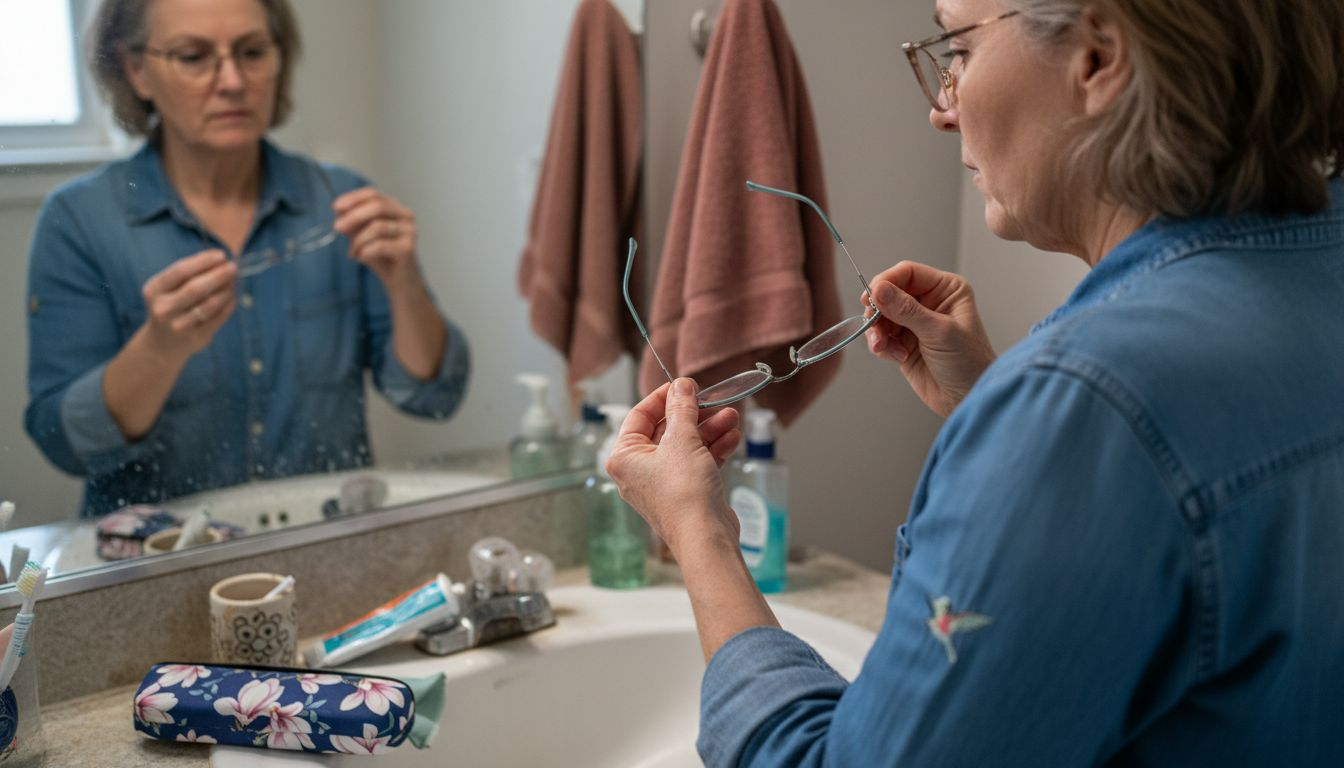
Lens types vary significantly, offering tailored solutions for different vision requirements. Standard options include single-vision lenses providing uniform magnification across the entire lens, bifocals with distinct near and distance vision zones, and progressive lenses that offer seamless transition between different focal points. Lens materials range from lightweight polycarbonate to high-index plastics, each offering unique benefits like impact resistance, reduced weight, and enhanced optical clarity.
Here’s a summary of common lens types and their ideal use:
| Lens Type | Visual Benefit | Suitability |
|---|---|---|
| Single-vision | Uniform magnification | Everyday reading |
| Bifocal | Two distinct focus zones | Reading and distance tasks |
| Progressive | Smooth multi-focus | Continuous near-to-far work |
| Custom High Power | Precise advanced correction | Significant vision challenges |
Strength ranges for reading glasses can be categorised as follows:
- Mild Vision Correction: +0.50 to +1.25 diopters
- Moderate Magnification: +1.50 to +2.50 diopters
- Significant Vision Support: +2.75 to +4.00 diopters
- Advanced Correction: Custom prescription above +4.00 diopters
Frame materials complement lens technologies, with options including:
- Lightweight plastic
- Flexible TR90 polymers
- Metal alloys
- Premium acetate
- Titanium-based frames
Expert Tip: Always conduct a comprehensive eye examination to determine the most appropriate lens strength and type for your specific visual needs.
When to Choose High-Powered Readers
Selecting high-powered reading glasses requires careful consideration of individual vision changes and specific visual challenges. Choosing the right lens power becomes increasingly critical as presbyopia progresses and standard reading glasses no longer provide adequate visual support. High-powered readers typically range from +3.50 to +4.00 diopters, with custom prescriptions extending even higher for more complex vision needs.
Significant indicators that suggest transitioning to high-powered readers include persistent eye strain, difficulty reading small print, frequent headaches after close-up work, and noticeable visual fatigue. These symptoms often emerge when standard reading glasses fail to compensate for advancing presbyopia, requiring more substantial magnification to maintain comfortable and clear vision. Professionals recommend comprehensive eye examinations to precisely determine the appropriate lens strength and rule out other potential vision complications.
Critical scenarios warranting high-powered readers include:
- Extended computer or digital screen work
- Detailed craftwork or precision hobbies
- Professional tasks requiring prolonged close-up focus
- Significant age-related vision deterioration
- Existing vision conditions like astigmatism
Factors to consider when selecting high-powered readers include:
- Frequency of close-up visual tasks
- Current vision prescription
- Comfort and visual clarity
- Potential eye strain
- Recommended magnification by eye care professionals
Expert Tip: Schedule an annual eye examination to ensure your reading glasses continue to meet your evolving vision requirements.
Safety Concerns and Legal Considerations
Reading glasses require careful consideration beyond their optical performance, particularly when addressing potential safety and legal implications. Understanding reading glasses terminology helps consumers navigate the complex landscape of eyewear regulations and personal health requirements. Safety concerns encompass not just physical lens quality, but also potential long-term vision impacts and compliance with consumer protection standards.
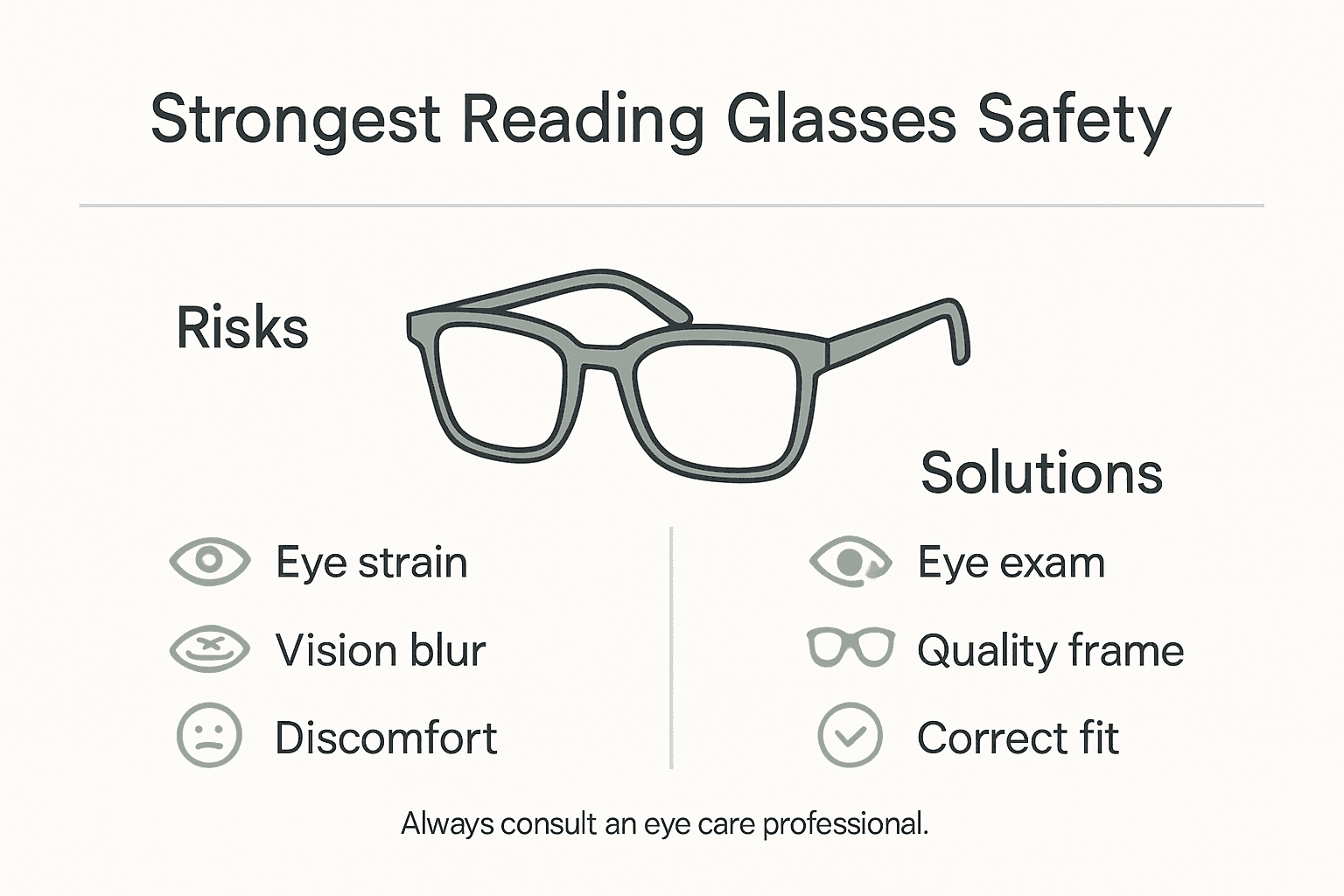
Legal considerations for reading glasses primarily revolve around product safety, manufacturing standards, and consumer protection regulations. Manufacturers must adhere to strict guidelines ensuring optical accuracy, lens durability, and frame integrity. Critical safety aspects include impact resistance, proper lens coating, UV protection, and consistent magnification across the entire lens surface. Australian consumer protection laws mandate transparent labelling, accurate prescription information, and clear guidance on appropriate usage for different vision correction needs.
Key safety considerations for reading glasses include:
- Lens impact resistance
- Accurate magnification specifications
- Potential allergenic materials in frame construction
- Optical clarity and distortion prevention
- Compliance with national eyewear standards
Potential legal risks associated with reading glasses involve:
- Misrepresentation of lens strength
- Inadequate consumer warnings
- Manufacturing defects
- Potential vision damage from incorrect prescriptions
- Failure to meet Australian consumer protection regulations
Expert Tip: Always purchase reading glasses from reputable providers that offer clear documentation of lens specifications and manufacturing standards.
Comparing Durable Reading Glasses Options
Durability represents a critical factor when selecting reading glasses, ensuring long-lasting performance and reliability for everyday use. Understanding what makes glasses durable helps consumers make informed choices about their eyewear investments. Modern reading glasses incorporate advanced materials and construction techniques designed to withstand daily wear and potential environmental challenges.
Frame materials play a pivotal role in determining overall glasses durability. Premium options like titanium, TR90 flexible polymers, and high-grade acetate offer exceptional strength and resilience. These materials provide unique advantages such as lightweight construction, corrosion resistance, and enhanced flexibility. Lens technology complements frame durability through scratch-resistant coatings, impact-resistant treatments, and advanced optical clarity improvements.
Key durability factors to consider include:
- Frame material strength
- Lens coating quality
- Hinge mechanism flexibility
- Overall weight distribution
- Resistance to environmental stress
Comparative durability characteristics of different frame materials:
Below is a quick comparison of premium frame materials for reading glasses durability:
| Material | Strength Feature | Comfort Advantage |
|---|---|---|
| Titanium | Extremely corrosion-resistant | Ultralightweight |
| TR90 Polymer | Highly flexible | Soft feel, shock absorption |
| Acetate | Durable and hypoallergenic | Rich colour options |
| Stainless Steel | Rigid structural integrity | Traditional slim profile |
| Nylon Composite | Impact and stress resistant | Affordable and lightweight |
- Titanium: Extremely lightweight, corrosion-resistant
- TR90 Polymer: Flexible, impact-resistant
- Acetate: Hypoallergenic, rich colour options
- Stainless Steel: Strong, traditional design
- Nylon Composite: Lightweight, affordable
Expert Tip: Invest in reading glasses with multiple durability features to ensure long-term comfort and visual performance.
Discover Your Perfect Strongest Reading Glasses Today
Navigating the challenges of finding the right lens strength can be overwhelming. If you experience eye strain or difficulty reading small print, it is vital to choose reading glasses that offer the precise magnification and durability you need. At Ministry of Sight, we understand the importance of comfortable frames and clear vision, especially when opting for higher-powered readers. Our selection of Bold Reading Glasses combines sturdy design with stylish appeal, ensuring your strongest reading glasses meet your daily demands.
Explore your options now at Ministry of Sight for premium eyewear solutions. Benefit from free shipping Australia-wide and shop with confidence through our satisfaction guarantee. Make your vision sharper and your reading moments easier by choosing frames that match your lifestyle, whether you prefer the sleekness of Super Cool Black Reading Glasses or the timeless charm of Retro Reading Glasses. Take control of your eye health today with the strongest reading glasses tailored just for you.
Frequently Asked Questions
What are the strongest reading glasses available?
The strongest reading glasses typically reach up to +4.00 diopters in standard retail settings. However, custom prescription glasses can provide magnification powers beyond +20 diopters for more complex vision challenges.
When should I consider using high-powered reading glasses?
You should consider high-powered reading glasses if you experience persistent eye strain, difficulty reading small print, frequent headaches after close-up tasks, or noticeable visual fatigue with standard readers.
What types of lenses are available for reading glasses?
Common lens types for reading glasses include single-vision lenses for uniform magnification, bifocals with distinct near and distance zones, and progressive lenses for seamless transition between focal points.
How can I ensure my reading glasses are durable?
To ensure durability, consider frame materials like titanium, TR90 polymers, and high-grade acetate. Look for features such as scratch-resistant coatings, impact-resistant lenses, and a sturdy hinge mechanism.
Recommended
- Best Reading Glasses for Mature Men – Expert Comparison 2025 – ministry of sight
- Lens Strength for Reading Glasses – ministry of sight
- Understanding the Complete Reading Glasses Checklist – ministry of sight
- Understanding Your Reading Glasses Checklist for Better Vision – ministry of sight
- Reading en Exámenes Inglés: Guía Completa 2024 - Academia Atenea


