

Smudged lenses, stubborn streaks, and frustrating scratches can turn your everyday eyewear into a visual nightmare. Many Australians struggle with maintaining their glasses properly, often unknowingly damaging delicate coatings or reducing lens lifespan through improper cleaning methods. The good news? With the right approach and tools, you can keep your lenses crystal clear and protected for years. This comprehensive guide walks you through every essential step of proper lens care, from selecting the right cleaning products to avoiding common mistakes that lead to costly replacements. Whether you’re new to wearing glasses or looking to improve your current routine, these practical techniques will help you maintain optimal clarity and extend the life of your investment.
Table of Contents
- Key takeaways
- What you need: essential tools and products for effective lens care
- Step-by-step guide to cleaning your glasses lenses correctly
- Common mistakes to avoid and tips to maintain your lenses longer
- How to verify lens cleanliness and when to seek professional help
- Explore our range of glasses accessories and care products
- Frequently asked questions
Key Takeaways
| Point | Details |
|---|---|
| Gentle cleaning routine | Regularly clean lenses with proper tools to prevent scratches and maintain clarity. |
| Right cleaning tools | Use eyewear specific microfibre cloths, lens cleaning spray, lukewarm water and a soft lint free towel. |
| Avoid damaging products | Avoid ammonia cleaners, vinegar, paper towels, clothing fabrics and alcohol based products that can strip coatings. |
| Safe storage habits | Keep lenses in a protective hard case and store in a clean, dry place when not in use. |
What you need: essential tools and products for effective lens care
Proper lens maintenance starts with having the right equipment on hand. Using inappropriate materials ranks among the fastest ways to damage your glasses, so investing in quality cleaning supplies pays dividends in lens longevity. Using proper cleaning tools and solutions is crucial to avoid damaging lenses and maintaining their optical clarity.
Your essential lens care toolkit should include these items:
- Microfibre cloths specifically designed for eyewear (at least two for rotation)
- Lens cleaning spray formulated for optical surfaces
- Lukewarm water access for rinsing
- Clean, soft, lint-free towel for drying
- Protective hard case for storage
- Small spray bottle for portable cleaning solution
The quality of your microfibre cloth matters significantly. Cheap alternatives often contain synthetic fibres that scratch rather than clean. Look for tightly woven optical-grade cloths that trap dirt particles instead of dragging them across your lenses. Keep one at home and another in your bag or car for on-the-go cleaning.
When selecting cleaning solutions, avoid these common household products that damage lens coatings:
- Window cleaners containing ammonia
- Vinegar or acidic solutions
- Paper towels or tissues
- Clothing fabric, especially synthetic materials
- Saliva (despite being a common quick fix)
- Hand sanitiser or alcohol-based products
These substances strip anti-reflective coatings, create micro-scratches, or leave residue that attracts more dirt. Stick with pH-neutral solutions specifically formulated for optical lenses. Many optometrists recommend distilled water with a drop of mild, lotion-free dish soap as an effective alternative when commercial cleaners aren’t available.
| Cleaning tool | Purpose | Replacement frequency |
|---|---|---|
| Microfibre cloth | Primary lens wiping | Every 3-6 months |
| Lens spray | Dissolving oils and grime | As needed |
| Storage case | Protection when not worn | Yearly or when damaged |
| Soft towel | Drying after rinsing | Weekly washing |
Pro Tip: Wash your microfibre cloths weekly in lukewarm water with gentle detergent, then air dry completely. Never use fabric softener, as it leaves residue that transfers to your lenses and reduces the cloth’s cleaning effectiveness.
Step-by-step guide to cleaning your glasses lenses correctly
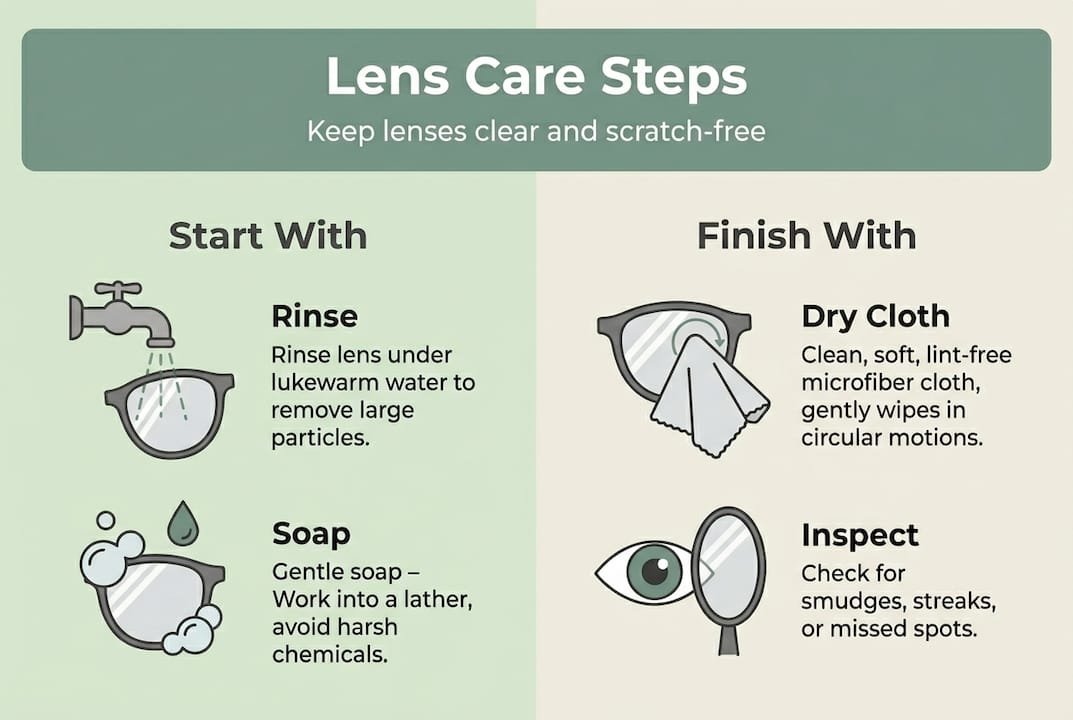
Following a systematic cleaning process protects your lenses from damage while ensuring optimal clarity. Proper cleaning methods ensure lenses remain scratch-free and crystal clear throughout their lifespan. This methodical approach takes only minutes but prevents years of accumulated damage.
-
Wash your hands thoroughly with soap and water, then dry them completely. Clean hands prevent transferring oils, lotions, or dirt particles onto your lenses during the cleaning process. Even invisible residues can create smears that require additional cleaning cycles.
-
Hold your glasses under lukewarm running water for 15-20 seconds, ensuring water flows over both sides of each lens. This crucial step removes loose dust particles and debris that would otherwise scratch the surface when you wipe. Never skip rinsing, even if lenses appear clean. Microscopic particles invisible to the naked eye cause most scratching damage.
-
Apply one small drop of lens cleaning solution to each lens surface. If using spray, hold the bottle 10-15 centimetres away and mist lightly. Excessive solution doesn’t clean better and may leave streaks. For homemade solutions, use only a tiny amount of lotion-free dish soap mixed with water.
-
Gently rub both sides of each lens using your clean microfibre cloth in small circular motions. Pay special attention to the edges where the lens meets the frame, as oils and dirt accumulate in these areas. Clean the nose pads and frame arms simultaneously, as these areas harbour bacteria and skin oils that transfer back to lenses.
-
Rinse thoroughly under lukewarm water again to remove all cleaning solution residue. Hold glasses up to light at different angles to check for remaining soap bubbles or streaks. Any leftover solution dries into spots that attract more dirt.
-
Shake off excess water gently, then pat dry with a clean lint-free towel or allow to air dry naturally. Never rub vigorously, as this creates static that attracts dust particles. Inspect lenses in bright light to verify complete cleanliness before wearing.
Pro Tip: Clean your microfibre cloth every few uses by rinsing it under lukewarm water and allowing it to air dry overnight. A dirty cloth redistributes grime rather than removing it, defeating the purpose of cleaning your glasses.
Common mistakes to avoid and tips to maintain your lenses longer
Even well-intentioned cleaning habits can damage your glasses if you’re not aware of common pitfalls. Incorrect cleaning and storage cause most lens damage encountered by users, often creating irreversible scratches or coating deterioration. Understanding what not to do proves just as important as knowing proper techniques.
Avoid these frequent lens care errors:
- Wiping dry lenses without rinsing first, which drags abrasive dust particles across the surface
- Using paper towels, toilet paper, or tissues that contain wood fibres that scratch
- Cleaning with your shirt, especially synthetic fabrics that create static and micro-scratches
- Breathing on lenses to create moisture before wiping, as saliva particles contain enzymes that degrade coatings
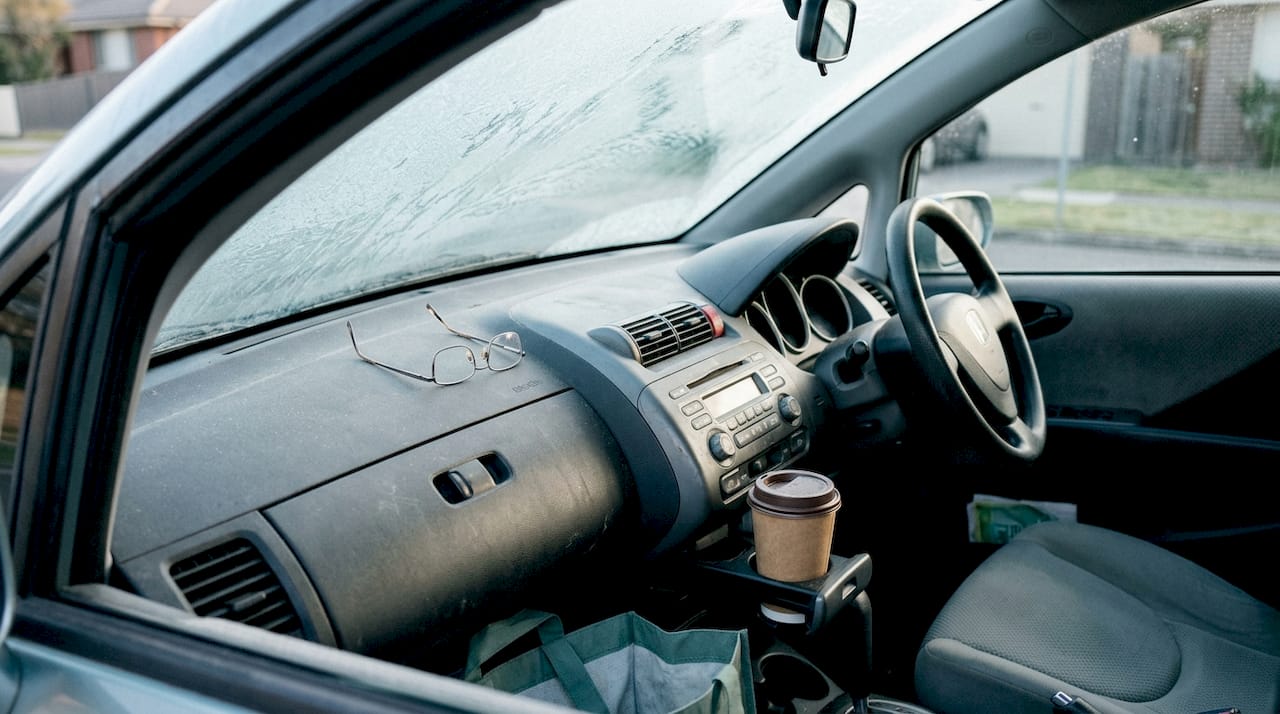
- Leaving glasses on car dashboards where extreme heat warps frames and damages lens coatings
- Placing glasses lens-down on any surface, even soft ones
- Using hot water, which can separate laminated lenses or damage coatings
- Applying excessive pressure while cleaning, thinking harder scrubbing removes stubborn marks better
Proper storage extends lens life significantly beyond cleaning alone. Always place your glasses in a hard protective case when not wearing them, even for short periods. Leaving glasses on tables, countertops, or in bags without protection exposes them to scratches, crushing, or accidental falls. Choose cases with soft interior linings that cushion frames without touching lenses.
Keep your storage case clean by wiping the interior weekly with a damp cloth and allowing it to air dry completely. Cases accumulate dust, lint, and debris that transfer back to your freshly cleaned lenses. Replace damaged cases immediately, as broken hinges or cracked shells fail to provide adequate protection.
“Using improper products or handling techniques can irreversibly damage lens coatings and surfaces, requiring costly replacements that proper care would have prevented.”
Consider these additional protective measures:
- Remove glasses with both hands to prevent frame misalignment
- Avoid wearing glasses on top of your head, which stretches frames and deposits hair products on lenses
- Keep glasses away from hairspray, perfume, and cleaning products
- Schedule regular professional adjustments to maintain proper fit
- Apply anti-fog treatments during humid weather or when wearing masks
Temperature extremes pose particular risks. Never leave glasses in freezing cars overnight or expose them to sudden temperature changes, as this causes lens coatings to crack or separate. When coming indoors from cold weather, allow glasses to warm gradually before cleaning to prevent thermal shock.
How to verify lens cleanliness and when to seek professional help
Knowing whether your lenses are truly clean versus just appearing clean makes a significant difference in visual comfort and eye health. Regular professional care complements home cleaning and resolves issues like scratches or coating wear that home methods cannot address. Developing the ability to assess lens condition helps you maintain optimal vision and identify when expert intervention becomes necessary.
Check your lens cleanliness using these verification methods:
- Hold glasses at arm’s length in front of a bright, uniform background like a white wall or overcast sky
- Tilt lenses slowly to catch light at different angles, revealing streaks, smudges, or residue
- Look through lenses at fine text or detailed images to detect any visual distortion or cloudiness
- Inspect both sides of each lens, as the inner surface often harbours oils from eyelashes and skin
- Examine nose pads and frame joints for accumulated grime that transfers back to clean lenses
Persistent visual issues despite thorough cleaning indicate deeper problems requiring professional attention. Scratches, coating degradation, and structural damage cannot be resolved through home care alone. Recognising these warning signs early prevents further deterioration and maintains your visual clarity.
| Symptom | Likely cause | Recommended action |
|---|---|---|
| Persistent cloudiness | Coating deterioration | Professional assessment |
| Rainbow effects | Anti-reflective coating damage | Lens replacement consultation |
| Deep scratches | Abrasive contact | Evaluate replacement vs continued use |
| Constant fogging | Coating failure or fit issues | Professional cleaning and adjustment |
| Loose or bent frames | Wear or impact damage | Frame repair or replacement |
Schedule professional lens inspections annually, even if your glasses appear fine. Optometrists use specialised equipment to detect early coating breakdown, micro-scratches, and alignment issues invisible to casual observation. Many optical retailers offer complimentary cleaning and adjustment services that extend lens life significantly.
Seek immediate professional help if you notice:
- Coating peeling or flaking from lens surfaces
- Cracks or chips in lenses, regardless of size
- Frames that no longer sit level on your face
- Persistent discomfort or pressure points
- Vision changes that cleaning doesn’t resolve
Some lens damage appears minor but compromises visual quality and eye health. Small scratches in your central vision field cause more problems than larger ones in peripheral areas. Professional opticians assess whether damage warrants replacement or if you can continue using the lenses safely.
Ultrasonic cleaning machines available at optical shops provide deep cleaning that removes buildup from frame crevices and nose pad areas impossible to reach at home. Consider professional cleaning every six months if you wear glasses daily, work in dusty environments, or use heavy cosmetics that accumulate on frames.
Explore our range of glasses accessories and care products
Maintaining your glasses becomes effortless when you have the right tools and accessories supporting your daily routine. Ministry of Sight offers comprehensive solutions designed specifically for Australian eyewear users who value clarity and longevity. Our reading glasses accessories and storage collection includes everything from protective cases to convenient cleaning kits that complement the care techniques you’ve learned.

Discover our specialised lens care kits featuring premium microfibre cloths and pH-balanced cleaning solutions formulated to protect delicate lens coatings. These professional-grade products deliver superior results compared to generic alternatives while ensuring your investment in quality eyewear remains protected. Each kit contains everything needed for comprehensive lens maintenance, whether at home or travelling.
Stylish eyewear leashes and chains prevent accidental drops and damage by keeping your glasses secure and accessible throughout the day. These practical accessories reduce the risk of scratches from improper placement while adding a fashionable element to your eyewear. Browse our complete range to find storage solutions and care products that match your lifestyle and keep your lenses performing at their best.
Frequently asked questions
How often should I clean my glasses lenses?
Clean your lenses daily or immediately when you notice smudges, fingerprints, or reduced clarity. Regular cleaning prevents oil and debris buildup that becomes harder to remove over time and can permanently damage coatings. Many people find cleaning once in the morning and once in the evening maintains optimal clarity throughout the day, though active lifestyles or dusty environments may require more frequent cleaning.
Can I use household cleaning products on my glasses lenses?
Never use household cleaners like window spray, bleach, or ammonia-based products on your glasses, as these harsh chemicals strip anti-reflective and scratch-resistant coatings irreversibly. Similarly, avoid vinegar, alcohol-based sanitisers, and acidic solutions that degrade lens materials. Only use products specifically formulated for optical lenses or a mild mixture of lotion-free dish soap and water to preserve lens integrity and coating effectiveness.
What is the best way to store glasses lenses when not in use?
Always store your glasses in a hard protective case with a soft interior lining when you’re not wearing them, even for brief periods. Place glasses in the case with lenses facing upward, never touching the bottom surface. Keep your storage case clean by wiping it weekly and replacing it annually or when damaged. Avoid leaving glasses on countertops, in pockets, or anywhere they might be sat on, knocked over, or exposed to extreme temperatures. Proper storing glasses properly habits prevent the majority of accidental damage and scratching.
Why do my lenses still look streaky after cleaning?
Streaky lenses typically result from using too much cleaning solution, dirty microfibre cloths, or residual soap that wasn’t rinsed thoroughly. Try cleaning your microfibre cloth separately, using less solution, and ensuring you rinse lenses completely under lukewarm water after applying cleaner. Hard water minerals can also cause streaking, so consider using distilled water for the final rinse if you have particularly hard tap water in your area.
How can I prevent my glasses from fogging up?
Fogging occurs when warm, moist air contacts cooler lens surfaces, creating condensation. Apply anti-fog treatments specifically designed for eyewear, ensure your glasses fit properly with adequate ventilation, and clean lenses thoroughly to remove oils that promote fog formation. When wearing face masks, position the top edge snugly against your nose to direct breath downward rather than upward onto lenses. Some people find washing lenses with a tiny amount of shaving cream and buffing dry creates a temporary anti-fog barrier.


