

TL;DR:
- Properly fitted reading glasses reduce eye strain and improve daily comfort after 40.
- Key features include anti-glare, blue light filtering, and correct lens strength.
- Investing in quality glasses ensures better vision, style, and long-term value.
Finding the right reading glasses after 40 is one of those tasks that sounds simple until you’re standing in a chemist squinting at tiny font on a pair of readers, unsure whether +1.5 or +2.0 is the right call. The truth is, your eyes deserve better than a rushed decision. Nearly everyone over 40 will experience some degree of presbyopia, the age-related shift in near vision caused by the lens of your eye gradually losing flexibility. The right pair of reading glasses doesn’t just help you see more clearly. It reduces daily discomfort, supports your confidence, and makes everything from morning newspapers to restaurant menus genuinely enjoyable again. This guide walks you through exactly what to look for.
Table of Contents
- What to know about reading glasses after 40
- Top features to look for in reading glasses
- Best reading glasses options for over 40s in Australia
- How to get the right fit and care for your reading glasses
- Why your glasses are an investment, not just a necessity
- Find your perfect reading glasses and accessories
- frequently asked questions
Key Takeaways
| Point | Details |
|---|---|
| Everyone over 40 needs support | Presbyopia affects nearly all adults after 40, so quality reading glasses make daily life easier. |
| Prioritise fit and coatings | Get an eye exam, choose good coatings, and ensure a comfortable fit for clear, strain-free vision. |
| Style matters too | Modern frames and fashionable features let you read in comfort and with confidence. |
| Compare before buying | Use a comparison table to check price, features, and service for the best value. |
| Maintenance extends life | Simple cleaning and storage keep your reading glasses working well year after year. |
What to know about reading glasses after 40
Prescription or not, reading glasses are not one-size-fits-all. To make a good choice, it helps to understand what’s actually happening to your vision and why certain features matter more than you might expect.
Presbyopia is the clinical term for the gradual stiffening of the eye’s natural lens that makes it harder to focus on close objects. It starts quietly around age 40, and by your mid-40s most people notice clear signs. Common presbyopia symptoms include holding text at arm’s length, experiencing eye strain after reading, and developing headaches after screen time. These are not subtle hints. They are your eyes asking for support.
Reading glasses address this by adding magnification through single-vision lenses, which typically range from +0.5 to +3.5 dioptres. The right strength depends on how far your near vision has shifted. Most people in their early 40s start somewhere between +1.0 and +1.5, while those in their 50s and 60s often need +2.0 or above.
Here are the key things presbyopia affects:
- Reading small print on labels, menus, or books becomes difficult
- Eye strain builds up faster than it used to, especially on screens
- Low light makes close-up tasks even harder than usual
- Focus switching between near and far becomes slower
Beyond lens strength, coatings matter enormously for Australian conditions. Anti-glare coatings reduce reflections from overhead lighting and screens, which is essential when you’re working indoors under fluorescent lights or spending time outdoors in bright sunlight. Blue light filtering coatings are increasingly important given how much time most of us spend looking at phones, tablets, and laptops each day.
For those exploring their first pair, the must-have reading glasses for over 40s breaks down exactly which styles suit different lifestyles. And if fit is a concern, the comprehensive fit guide covers everything from bridge width to temple length.
Pro tip: Book an annual eye check with your optometrist to track any changes in your prescription. Small shifts add up, and wearing the wrong strength is one of the fastest ways to create unnecessary eye strain.
Now that you understand the need for vision support after 40, let’s break down the types of reading glasses available.
Top features to look for in reading glasses
Not all reading glasses are created equal. There’s a meaningful difference between a pair you grab off a spinner rack and a pair that’s properly suited to your face shape, prescription needs, and daily routine.
Frame materials are the starting point. acetate frames are the gold standard for everyday reading glasses. They’re lightweight, durable, available in a wide range of colours, and produced using plant-based materials, which gives them a more eco-friendly profile than plastic alternatives. They also hold their shape well over time and sit comfortably on the nose for extended wear.
Key features to look for:
- Anti-glare coating: reduces reflections and makes screen use far more comfortable
- Blue light filtering: protects against digital eye strain from phones and computers
- scratch-resistant coating: extends the life of your lenses significantly
- Spring hinges: allow the temples to flex slightly for a more secure, comfortable fit
- UV400 protection: important if you’ll be using your readers near windows or outdoors
Lens power, or dioptre strength, should always match your actual near vision needs. Single-vision lenses from +0.5 to +3.5 dioptres cover the full range of presbyopia, but choosing based on guesswork is risky. A quick eye test removes the uncertainty.
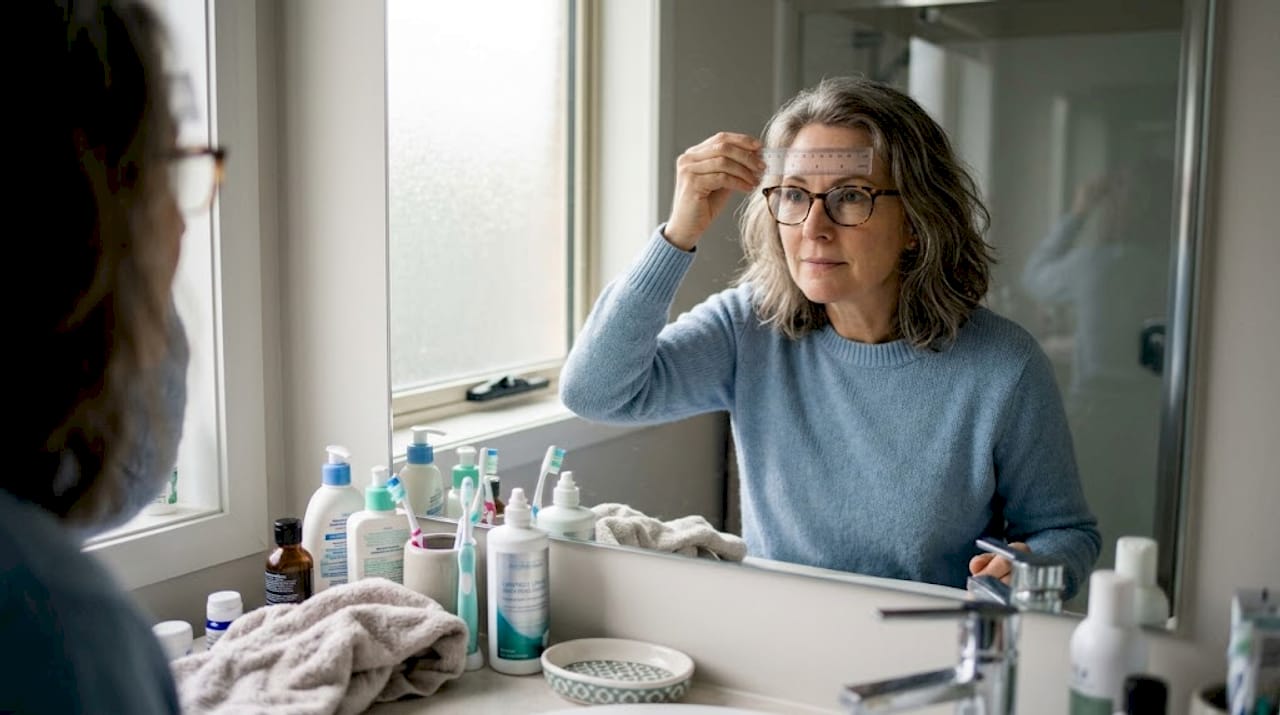
Pupillary distance (PD) is often overlooked but genuinely important. This is the measurement between the centres of your pupils. When your lenses are centred correctly relative to your PD, your eyes work in comfortable alignment. A mismatch causes fatigue faster than most people realise.
For those who want to stay current with what’s working for other Australian over 40s, the best lens choices for Australian conditions is a solid reference. And if style matters to you (it should), the latest glasses trends shows what’s looking sharp right now.
If you’re buying online, look for free Australian shipping and an easy returns policy. Being able to try a pair at home before committing makes the whole process far less stressful. A good example of this in practice is the acetate frames from Ministry of sight.
Pro tip: Order two pairs if you find a frame you love. Keep one at home and one at the office so you’re never caught without your glasses.
With key features in mind, the next step is to review the best options available for australians over 40.
Best reading glasses options for over 40s in Australia
Here’s how the top options compare so you can make a smart, stylish choice.
Australia has a solid range of reading glasses providers catering specifically to the over 40s market. The key differences come down to price, lens quality, frame style, and how much support you get through the buying process.
-
Ministry of sight offers acetate frames with anti-glare and blue light blocking from around $49 to $79. These are designed for everyday use, are available in a range of strengths and colours, and come with free shipping across Australia. The value-to-quality ratio is strong for anyone wanting a reliable, stylish option without overpaying.
-
holtsee specialises in custom bifocals priced around $165. These are better suited to people with more complex vision needs or those who want a single lens that handles both near and intermediate distances.
-
Oscar wylee and specsavers offer bulk-billed eye exams alongside their frame ranges, with stylish designer options starting from approximately $149 to $169. These work well if you want an in-person fitting experience alongside your purchase.
| Brand | Price range | Key features | Best for |
|---|---|---|---|
| Ministry of sight | $49 to $79 | Anti-glare, blue light block, acetate | Value and everyday style |
| holtsee | From $165 | Custom bifocals | Complex vision needs |
| Oscar wylee | From $149 | Designer frames, in-store fitting | Fashion and function |
| specsavers | From $169 | Full range, bulk-billed exams | Complete eye care |
For a broader look at what each brand does well, the brand comparison guide is well worth reading. And if you’re after some visual inspiration before choosing, stylish eyewear for over 40s shows what’s possible across different face shapes and lifestyles.
The bottom line is this: the best pair for you balances the right lens strength, a frame that suits your face, and coatings that match how you actually use your glasses every day.
How to get the right fit and care for your reading glasses
With your top options in mind, let’s make sure you get the best possible fit and keep your glasses working their best.
Getting fitted properly starts before you ever pick a frame. Here’s the process to follow:
- Book a professional eye exam. An optometrist can rule out other eye conditions and give you an accurate prescription. Over-the-counter readers are convenient for mild cases but won’t help if you have astigmatism or a combined prescription that involves both near and far vision.
- Ask for your pupillary distance (PD). Most optometrists will measure this as part of your exam. It’s the number you need for properly centred lenses, especially when ordering online.
- Check the frame measurements. Bridge width, lens width, and temple length all affect how your glasses sit on your face. A poor fit leads to glasses that slip, pinch, or press unevenly on your nose.
- Try before you commit where possible, or choose a retailer with a generous returns policy.
“A proper fit isn’t a luxury. It’s essential for reducing strain and maximising comfort.”
Once you have your glasses, caring for them properly protects your investment.
| Care task | How often | Key tip |
|---|---|---|
| Clean lenses | Daily | Use a microfibre cloth only |
| Check frame alignment | Monthly | Visit an optometrist if needed |
| Replace lenses | Every 1 to 2 years | Or when vision feels off |
| Store glasses | Always | Keep in a hard case when not in use |
Avoid cleaning your lenses with paper towels, clothing, or household sprays. These scratch the coatings that protect your vision quality. The anti-glare and scratch-resistant coatings on quality frames are worth preserving. For more practical advice on purchasing and maintaining your eyewear, the buying glasses online guide covers the process from start to finish.
Why your glasses are an investment, not just a necessity
There’s a quiet myth that floats around the over 40s reading glasses conversation: that any cheap pair from the chemist will do the job well enough. We’d respectfully push back on that.
Worn every day for years, reading glasses have a real impact on your posture, your productivity, and your confidence. A pair that’s slightly off in strength forces your eyes to compensate. A pair with no anti-glare coating makes screen work genuinely unpleasant. A frame that doesn’t suit your face can make you feel older rather than sharper.
Quality reading glasses, properly fitted with the right coatings, do the opposite. They make reading easier, reduce end-of-day fatigue, and when the frames are well chosen, they contribute to the kind of put-together look that matters at any age. For practical inspiration on pulling this off, the style tips for over 40s is genuinely useful reading.
The real cost of cheap readers is measured in headaches, squinting, and replacing pairs every few months. A quality pair, on the other hand, can easily last two or more years with basic care. That maths favours investing properly from the start.
Pro tip: Think of your reading glasses the way you think about good shoes or a well-made jacket. The right pair pays for itself in comfort, confidence, and longevity.
Find your perfect reading glasses and accessories
If you’re ready to upgrade your reading experience and style, here’s where to find what you need.
At Ministry of sight, we’ve put together a collection designed specifically for Australian over 40s who want reading glasses that look as good as they work. Whether you’re after a sleek acetate frame with blue light protection or a classic silhouette that pairs well with any outfit, there’s something for you.
To keep your glasses in top condition, browse our accessories and storage range, which includes protective cases and microfibre cloths. If you want to add some flair and practicality, our stylish glasses chains are a beautiful way to keep your readers close without losing them. Head to the full Ministry of sight collection to explore everything we offer, with free Australian shipping and a satisfaction guarantee.
frequently asked questions
What strength reading glasses should I get at age 45 or 50?
Most people start with +1.0 to +2.0 dioptres, but a professional eye test gives you the most accurate fit. The right dioptre for near tasks varies from person to person.
Can I buy reading glasses without an eye test?
Over-the-counter readers work well for mild presbyopia, but an eye exam ensures you get the correct strength and screens for conditions like astigmatism. OTC readers are not suitable for everyone.
Are anti-glare coatings necessary on reading glasses?
Yes, particularly for screen users and anyone spending time in bright Australian light. Anti-glare coatings meaningfully reduce eye strain throughout the day.
How often should I replace my reading glasses?
Replace your reading glasses every one to two years, or sooner if your vision changes noticeably. Regular eye checks help you stay on top of any prescription updates needed.
Can I buy fashionable reading glasses in Australia for under $100?
Absolutely. Ministry of sight offers stylish acetate frames from $49 with anti-glare and blue light protection included, making quality style genuinely affordable.
Recommended
- 7 Examples of Stylish Eyewear for Over 40s in Australia – MINISTRY OF SIGHT
- Reading Glasses for Over 40s – MINISTRY OF SIGHT
- Reading Glasses for Australians – MINISTRY OF SIGHT
- Reading glasses vs distance glasses: key differences – MINISTRY OF SIGHT
Our Best Reading Glasses Australia guide covers frame quality, lenses, fit and the features worth considering before you buy.


