

Every australian seeking perfect reading glasses knows that comfort can make or break daily routines. A surprising number of people abandon eyewear simply because of poor fit or persistent discomfort. The right mix of frame design, lens innovation, and gentle materials transforms reading glasses from a functional tool into a pleasure to wear. Discover how small details in choice and adjustment lead to all-day ease, healthier eyes, and a seamless reading experience.
Table of Contents
- What Makes Reading Glasses Comfortable
- Frame Styles And Materials That Enhance Fit
- How Lens Features Improve Comfort
- Daily Habits For All-Day Comfortable Wear
- Avoiding Common Reading Glasses Discomforts
Key Takeaways
| Point | Details |
|---|---|
| Comfort is Multifaceted | Effective reading glasses combine optimal frame design, lens technology, and material selection to enhance comfort during prolonged use. |
| Selecting the Right Frame | Prioritise lightweight, adjustable frames with ergonomic features to ensure comfort and minimise pressure points. |
| Importance of Lens Features | Advanced lens technologies, such as blue light filtering and anti-reflective coatings, can significantly reduce eye strain and enhance visual clarity. |
| Daily Habits Matter | Proper maintenance, ergonomic positioning, and regular prescription checks contribute to sustained comfort and effectiveness of reading glasses. |
What Makes Reading Glasses Comfortable
Comfort in reading glasses goes far beyond simple lens quality - it’s about understanding how multiple design elements work together to create a seamless visual experience. The primary factors that determine reading glasses comfort include frame design, lens configuration, material weight, and precise prescription matching.
Frame ergonomics play a crucial role in comfort. Well-designed reading glasses distribute weight evenly across the bridge of your nose and temples, preventing pressure points that can cause discomfort during extended wear. Look for frames with flexible nose pads, lightweight materials like titanium or advanced polymers, and adjustable arms that conform to your unique facial structure. Reading Glasses: Complete Guide to Reading Comfort provides deeper insights into frame selection techniques.
Lens technology significantly impacts comfort. Modern reading glasses incorporate advanced features like anti-reflective coatings, which reduce eye strain by minimising glare from digital screens and artificial lighting. Prescription accuracy is equally important - even slight miscalculations can cause headaches, blurred vision, and general discomfort. Progressive lens designs that offer smooth transitions between reading and distance vision zones can dramatically improve wearing comfort.
Material selection remains a critical comfort consideration. Lightweight frames made from memory metals or high-grade acetate provide flexibility and durability without adding unnecessary weight. Nose bridges with soft, hypoallergenic silicone cushions help prevent skin irritation, while adjustable temple arms ensure a personalised fit that adapts to your unique head shape. By prioritising these comfort-focused design elements, you can transform reading glasses from a functional necessity into a genuinely pleasant wearing experience.
Frame Styles and Materials That Enhance Fit
Frame materials and styles are pivotal in determining the comfort and functionality of reading glasses. Different materials offer unique advantages, transforming eyewear from a mere visual aid to a personalised accessory that adapts to individual preferences and lifestyle needs.
Acetate frames represent a revolutionary material in reading glasses design. These lightweight yet robust frames provide exceptional comfort for all-day wear, offering a soft touch and versatile aesthetic. They come in multiple colour variations and patterns, allowing wearers to express personal style while maintaining ergonomic principles. Understanding the Reading Glasses Fit Guide for Better Vision highlights the importance of selecting frames that complement facial structure and personal comfort requirements.
Metal frames, particularly those crafted from titanium or stainless steel, deliver a sleek, sophisticated alternative. These materials are prized for their durability, minimal weight, and ability to incorporate adjustable nose pads for precise fitting. Advanced metal frames often feature flexible arms that gently conform to the wearer’s head shape, reducing pressure points and enhancing overall comfort. Sophisticated design elements like thin wire frames or combination frames blending metal and acetate offer versatility for different aesthetic preferences.
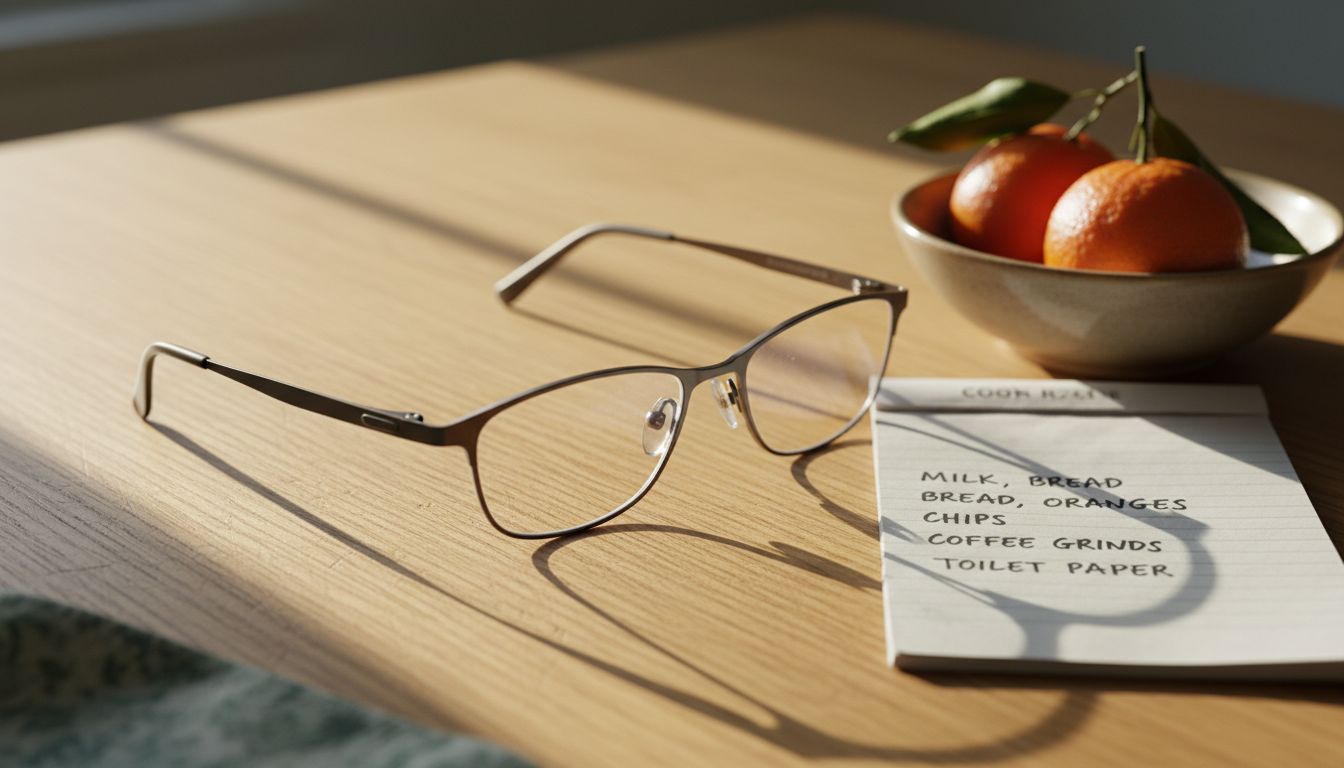
Modern reading glasses embrace diverse style categories that prioritise both functionality and fashion. Bold tortoiseshell patterns, transparent frames, retro oversized designs, and delicate cat-eye shapes provide options that suit various face shapes and personal styles. The key is selecting frames that not only look good but feel comfortable during extended reading sessions. By considering factors like frame weight, material flexibility, nose pad design, and temple arm configuration, you can find reading glasses that seamlessly integrate visual correction with personal comfort.
How Lens Features Improve Comfort
Lens technology has revolutionised reading glasses, transforming them from simple magnification tools to sophisticated visual support systems designed to enhance overall comfort and eye health. Modern lens features address multiple aspects of visual strain, providing comprehensive solutions for readers across different environments and usage patterns.
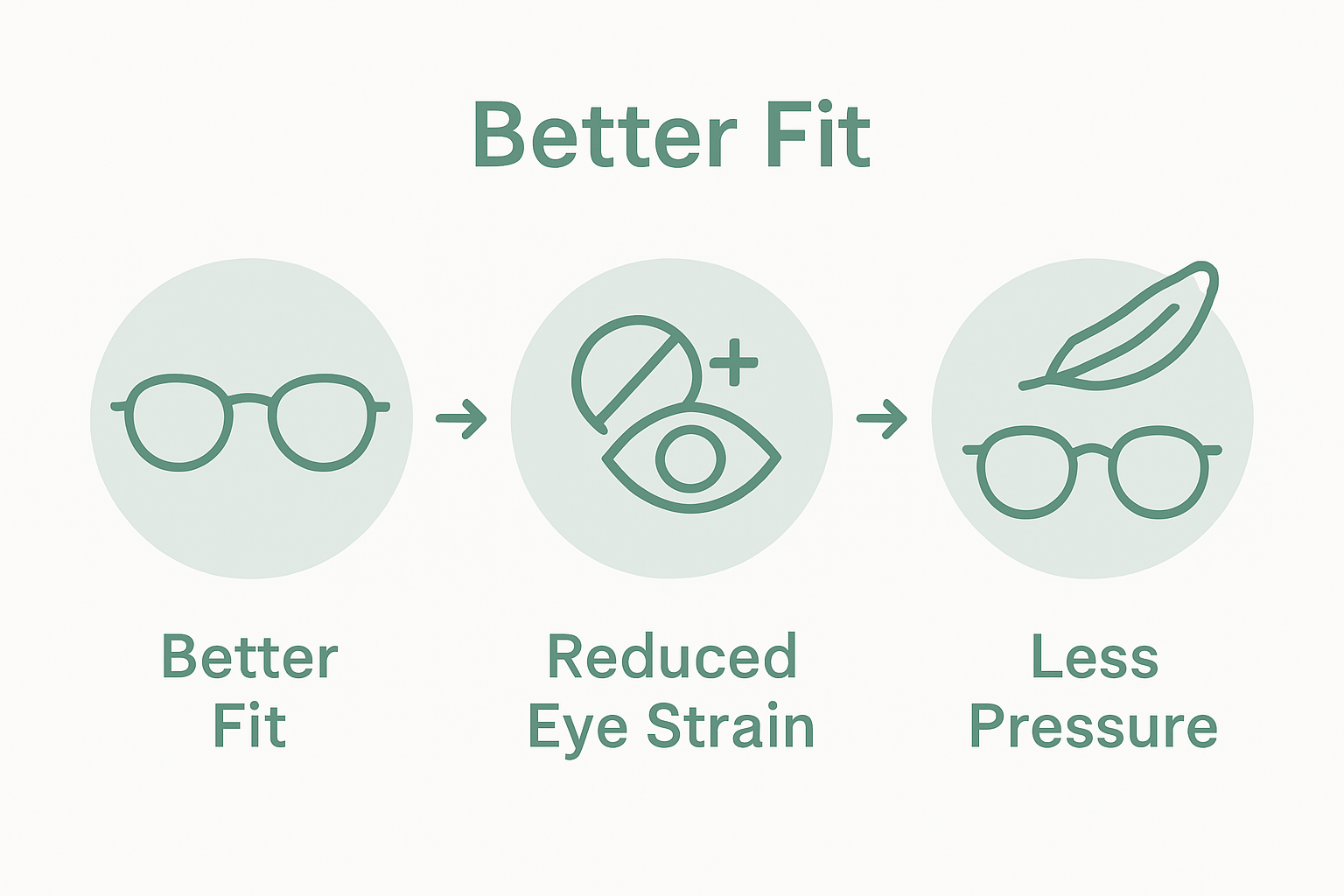
Blue light filtering technology stands at the forefront of comfort-enhancing lens innovations. These advanced coatings significantly reduce eye fatigue by minimising glare from digital screens and artificial lighting. Understanding Lens Types for Reading Glasses explains how these specialized coatings work to restore natural focus distance and support more comfortable reading positions. By blocking harmful high-energy wavelengths, blue light filters help prevent digital eye strain, headaches, and potential long-term visual discomfort associated with prolonged screen time.
Progressive lens designs offer another remarkable comfort enhancement. Unlike traditional single-vision lenses, progressive lenses provide smooth transitions between reading, intermediate, and distance vision zones. This graduated approach eliminates abrupt focal changes, reducing the eye muscle tension that can cause headaches and visual discomfort. The multi-zone design allows wearers to maintain a more natural head and neck position, preventing the awkward tilting and repositioning often associated with standard reading glasses.
Anti-reflective coatings represent another critical lens feature that dramatically improves wearing comfort. These microscopic layers reduce light reflection from lens surfaces, minimising glare and improving visual clarity in various lighting conditions. By reducing eye strain and eliminating distracting reflections, anti-reflective coatings make reading more comfortable, whether you’re working under harsh office lighting, reading in natural sunlight, or switching between different visual environments. The result is a more relaxed, focused reading experience that supports both visual performance and overall eye comfort.
Daily Habits for All-Day Comfortable Wear
Reading glasses comfort extends far beyond initial frame and lens selection. Developing strategic daily habits can significantly enhance your wearing experience, preventing fatigue, reducing strain, and ensuring your reading glasses remain a reliable companion throughout the day.
Proper glasses maintenance plays a critical role in sustained comfort. Always handle your reading glasses with clean hands, using both hands when putting them on or removing them to prevent unnecessary frame twisting. Flexible Reading Glasses: Everything You Need to Know emphasises the importance of gentle handling to preserve frame integrity. Invest in a quality microfibre cleaning cloth and clean your lenses regularly, removing dust and oils that can cause irritation and reduce visual clarity. Store glasses in a protective hard case when not in use, preventing accidental bending or scratching that could compromise their fit and comfort.
Ergonomic positioning is crucial for minimising eye strain and maintaining glasses comfort. Position digital screens at arm’s length, with the top of the screen slightly below eye level to reduce neck tension. Implement the 20-20-20 rule: every 20 minutes, look at something 20 feet away for 20 seconds. This practice helps relax eye muscles and prevents the eye fatigue that can make wearing reading glasses feel uncomfortable. Consider adjusting your workspace lighting to reduce glare, which can cause additional visual stress and make glasses feel less comfortable.
Personal care and physical awareness can dramatically improve all-day glasses comfort. Pay attention to how your glasses feel throughout the day - if you experience persistent nose pad pressure, temple arm discomfort, or frequent slipping, consider having them professionally adjusted. Stay hydrated, as dehydration can cause eye dryness that exacerbates wearing discomfort. Regularly check your prescription, as vision can change over time, and an outdated prescription can lead to unnecessary strain. By integrating these mindful habits, you’ll transform your reading glasses from a potential source of irritation into a seamless, comfortable extension of your daily visual experience.
Avoiding Common Reading Glasses Discomforts
Reading glasses discomfort can transform a potentially helpful visual aid into a source of ongoing frustration. Understanding the root causes of common issues and implementing strategic solutions can dramatically improve your wearing experience and prevent persistent physical strain.
Nose pad pressure represents one of the most frequent comfort challenges. Ill-fitting nose pads can create painful indentations, skin irritation, and persistent discomfort that makes wearing glasses feel like a chore. Understanding Your Reading Glasses Checklist for Better Vision highlights the importance of proper fit and adjustment. Seek out frames with adjustable silicone or soft rubber nose pads that distribute weight evenly, and consider having an eyewear professional fine-tune the fit to match your unique facial structure. Regular adjustments can prevent pressure points and ensure your glasses sit comfortably without sliding or creating undue stress.
Temple arm tension frequently causes headaches and ear discomfort for many reading glasses wearers. Frames that are too tight create constant pressure, while overly loose glasses slip constantly, forcing you to readjust repeatedly. Look for frames with flexible arms made from memory metals that gently conform to your head shape. Ensure the temple arms curve naturally behind your ears without pressing too firmly. If you experience persistent headaches or ear pain, this might indicate your glasses need professional realignment or a different frame style that better suits your head shape.
Prescription accuracy plays a crucial role in preventing visual discomfort. An outdated or incorrectly measured prescription can cause eye strain, headaches, and general visual fatigue. Schedule regular eye examinations to ensure your reading glasses precisely match your current vision requirements. Pay attention to how your eyes feel during extended reading or screen time - persistent squinting, frequent repositioning, or developing headaches can signal that your current glasses no longer provide optimal visual support. By proactively addressing these common discomfort issues, you can transform your reading glasses from a potential source of irritation into a comfortable, reliable visual companion.
Discover Comfortable Reading Glasses That Fit Your Lifestyle
Struggling with discomfort, pressure on your nose, or headaches from your current reading glasses? You are not alone. The article reveals how important frame design, material weight, and lens technology are to achieving all-day comfort. If your glasses pinch or slip, or your eyes tire quickly, it is time to explore better options that prioritise fit and clear vision without compromise.

Experience the difference with our Rectangular Reading Glasses or explore elegant Tortoiseshell Reading Glasses designed for ultimate comfort and style. At Ministry of Sight, we offer lightweight, adjustable frames with advanced lens coatings that reduce eye strain. Don’t wait for discomfort to take over your reading moments. Shop now for free shipping Australia-wide and enjoy specials like buy-one-get-one offers that make upgrading easier than ever.
Frequently Asked Questions
What are the key factors that make reading glasses comfortable?
Comfort in reading glasses is influenced by frame design, lens configuration, material weight, and precise prescription matching. Factors such as ergonomic frame design, lightweight materials, and proper fitting play a crucial role in enhancing overall comfort.
How do lens features impact the comfort of reading glasses?
Modern lens technologies, such as blue light filtering, progressive designs, and anti-reflective coatings, significantly improve wearing comfort. They help reduce eye strain, prevent headaches, and facilitate smooth transitions in vision, providing a more enjoyable reading experience.
What daily habits can I adopt to enhance my comfort while wearing reading glasses?
To enhance comfort, ensure proper maintenance of your glasses, position screens ergonomically, and follow the 20-20-20 rule. Regularly check your prescription and adjust workspace lighting to minimize glare, which can all contribute to a more comfortable experience.
How can I avoid discomfort caused by my reading glasses?
To avoid discomfort, ensure your glasses fit properly and don’t apply pressure on your nose or ears. Regularly adjust the fit if you experience discomfort, and consult an eye care professional for updates to your prescription if needed. Proper handling and maintenance can also prevent discomfort from wear and tear.


