

Over 50 percent of Australian adults over the age of 40 experience some form of vision change that affects daily tasks like reading. Choosing between prescription and non-prescription glasses can feel confusing, especially with so many options on the market. Clear differences in fit, function, and cost are easy to overlook. This quick guide explains how Australian consumers can find reading glasses that match their lifestyle and vision health needs, whether for simple readers or custom prescriptions.
Table of Contents
- Defining Prescription And Non-Prescription Glasses
- Types Of Reading Glasses Available Today
- How Prescription Glasses Are Customised
- Legal And Safety Considerations In Australia
- Cost Comparison And Buying Tips
Key Takeaways
| Point | Details |
|---|---|
| Understanding Types of Glasses | Reading glasses are divided into prescription and non-prescription types, addressing different vision needs like presbyopia or more complex conditions. |
| Personalised Solutions | Prescription glasses provide tailored correction for specific vision challenges, ensuring optimal clarity and comfort. |
| Legal and Safety Considerations | Consumers should be aware of Australian regulations around eyewear safety and the importance of professional eye examinations. |
| Cost Assessment | Non-prescription readers are more affordable but may not adequately address complex vision issues, while prescription glasses offer long-term value through precise correction. |
Defining Prescription And Non-Prescription Glasses
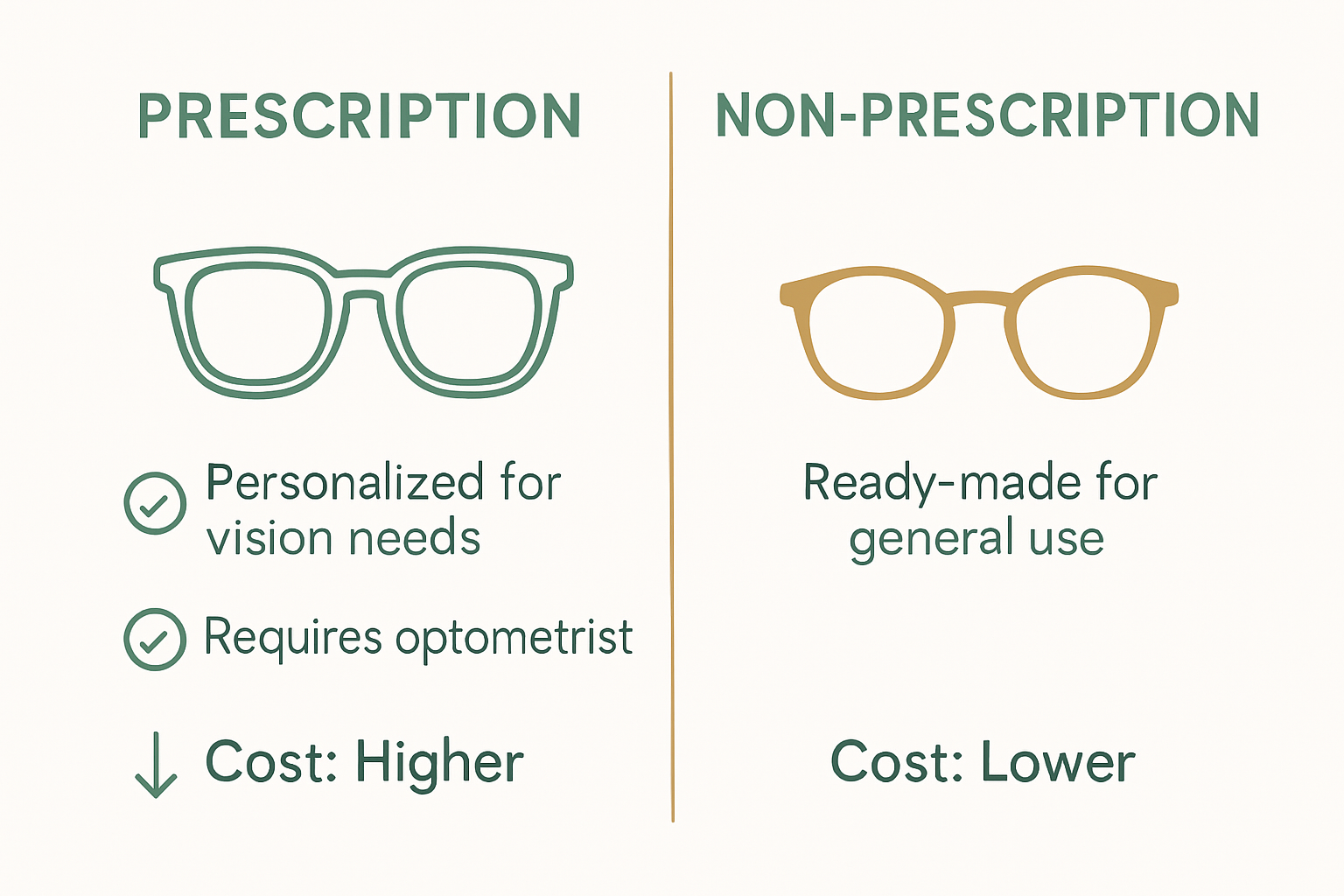
Reading glasses come in two primary categories: prescription and non-prescription options, each designed to address different vision correction needs. Non-prescription reading glasses, commonly referred to as over-the-counter readers, are readily available without requiring a professional eye examination. These standard magnification glasses typically range from +0.25 to +6.00 diopters and are primarily intended for individuals experiencing age-related presbyopia.
Prescription reading glasses, by contrast, offer a more personalised vision correction solution. Unlike generic non-prescription readers, these glasses are precisely tailored to address specific vision challenges such as myopia, hyperopia, and astigmatism. When you obtain prescription reading glasses from an eye care professional, each lens is customised to correct individual eye requirements, ensuring optimal visual clarity and comfort.
Understanding the key differences between these two types of reading glasses can help you make an informed decision about your eye health. Non-prescription glasses provide a standardised magnification suitable for general close-up tasks, while prescription glasses offer a comprehensive solution that accounts for the unique characteristics of each eye. Factors like existing vision conditions, reading frequency, and potential underlying eye health issues should guide your selection process.
The choice between non-prescription and prescription reading glasses ultimately depends on your specific vision needs. For individuals with minor reading difficulties or mild presbyopia, non-prescription readers might suffice. However, those experiencing more complex vision challenges or seeking precise correction should consult an optometrist to determine the most appropriate glasses for their unique requirements.
Types Of Reading Glasses Available Today
Reading glasses have evolved to offer diverse solutions for vision correction, catering to different visual needs and preferences. Non-prescription readers represent the most basic type of reading glasses, available over-the-counter in standard magnifications ranging from +1.00 to +3.00 diopters. These glasses are designed for individuals experiencing mild age-related vision changes and are typically suitable for general reading and close-up tasks.
Prescription reading glasses offer a more sophisticated approach to vision correction. Understanding the nuanced lens types reveals multiple categories tailored to specific vision requirements. These include single-vision lenses for consistent magnification, bifocal lenses that provide both near and distance vision correction, and progressive lenses that offer seamless magnification transitions without visible line segments.
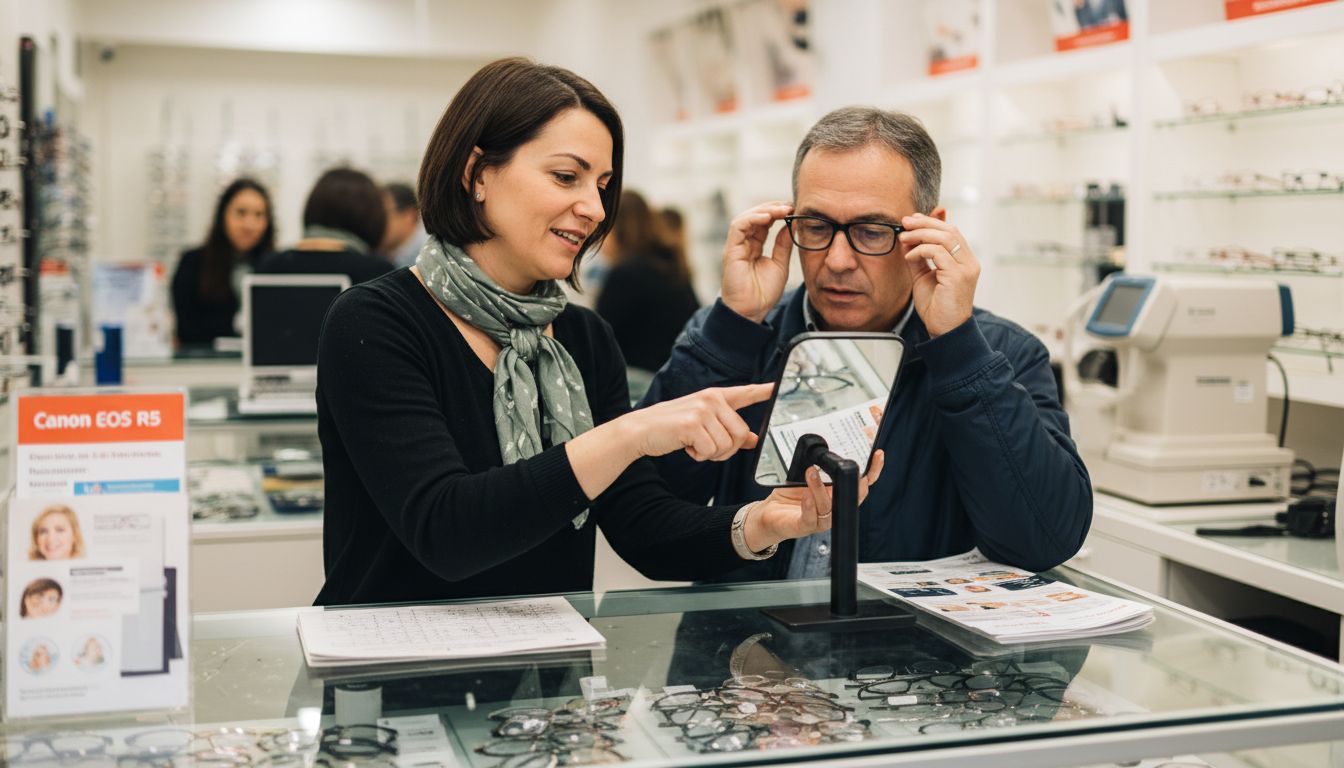
Beyond traditional designs, specialised reading glasses now accommodate various lifestyle needs. Bifocal readers feature two distinct lens powers, allowing wearers to see clearly at different distances. Progressive readers provide a gradual change in lens strength, eliminating abrupt transitions. Some modern designs incorporate additional features like anti-reflective coatings, blue light filtering, and lightweight frame materials to enhance comfort and visual performance.
The contemporary reading glasses market offers remarkable variety to suit individual preferences. From basic non-prescription readers to highly customised prescription options, consumers can select eyewear that precisely matches their vision correction requirements. Factors like age, existing vision conditions, reading frequency, and personal style now play crucial roles in choosing the most appropriate reading glasses.
How Prescription Glasses Are Customised
The process of customising prescription glasses is a precise and intricate journey that goes far beyond simply selecting a frame. Eye examinations form the critical first step, where optometrists conduct comprehensive assessments to measure each eye’s unique visual characteristics. These detailed evaluations capture crucial information such as refractive errors, corneal curvature, pupillary distance, and specific vision challenges like astigmatism, myopia, or hyperopia.
Understanding custom reading glasses reveals a multi-step manufacturing process that transforms individual eye measurements into personalised optical solutions. Lens crafting involves creating precisely ground lens surfaces that match the exact prescription requirements. Lens customisation includes selecting appropriate materials, implementing specific coatings, and ensuring the optical prescription addresses the wearer’s unique vision correction needs.
Prescription glasses offer remarkable versatility in addressing individual vision challenges. Optometrists can incorporate multiple vision correction strategies within a single pair of glasses, such as bifocal or progressive lens designs that accommodate different viewing distances. Advanced lens technologies now enable custom solutions like blue light filtering, anti-reflective coatings, and specialised tints that enhance visual comfort and protect eye health.
The final stage of customisation involves precise lens fitting and frame selection. Opticians carefully measure how the frames sit on an individual’s face, ensuring optimal lens positioning and visual clarity. Factors like facial structure, nose bridge shape, and ear placement are meticulously considered to create glasses that not only correct vision but also provide exceptional comfort and aesthetic appeal.
Legal And Safety Considerations In Australia
Navigating the landscape of reading glasses in Australia involves understanding both legal frameworks and safety regulations that protect consumer vision health. Consumer protection laws mandate that over-the-counter reading glasses must meet specific quality standards, ensuring they do not pose potential risks to eye health. Retailers are legally required to provide clear information about magnification levels and potential limitations of non-prescription readers.
Choosing reading glasses appropriate for the Australian climate involves more than just selecting a stylish frame. Australian regulations emphasise the importance of understanding individual vision needs and potential risks associated with self-prescribed eyewear. Non-prescription readers, while convenient, carry inherent limitations that consumers must carefully consider. These glasses cannot address complex vision issues like astigmatism or significant refractive errors, which require professional assessment.
Safety considerations extend beyond legal compliance to personal eye health management. Optometry professionals in Australia recommend comprehensive eye examinations every two years, even for individuals using over-the-counter reading glasses. These check-ups help detect potential underlying vision conditions that might be masked by generic readers. Prolonged use of inappropriately powered glasses can lead to eye strain, headaches, and potential long-term visual complications.
The Australian regulatory environment prioritises consumer education and informed choice. While non-prescription reading glasses are legally available without professional consultation, health authorities strongly encourage individuals to understand their unique vision requirements. Factors such as age, existing vision conditions, and specific visual tasks should guide the selection of appropriate reading glasses. Professional optometrists remain the most reliable source for personalised vision correction advice, ensuring both legal compliance and optimal eye health.
Cost Comparison And Buying Tips
Comparing the costs of prescription and non-prescription reading glasses reveals a nuanced landscape of pricing and value. Non-prescription readers typically range from $10 to $50, offering an affordable solution for individuals experiencing mild vision changes. These budget-friendly options provide a quick and accessible approach to addressing basic reading difficulties without the need for professional consultation.
Understanding reading glasses terminology helps consumers make informed purchasing decisions. Prescription glasses represent a more significant financial investment, with prices ranging from $100 to $500 depending on lens complexity, frame materials, and additional features. While the upfront cost is higher, prescription glasses offer precise vision correction tailored to individual eye characteristics, potentially preventing long-term visual strain and associated health complications.
Smart buying strategies can help consumers maximise value across both prescription and non-prescription options. Key considerations include assessing personal vision needs, understanding magnification requirements, and evaluating lifestyle factors. For individuals with minor vision challenges, non-prescription readers might suffice, while those with complex vision issues should prioritise professional prescription glasses. Additional cost-saving tips include seeking bulk purchase discounts, comparing prices across multiple retailers, and checking for health insurance coverage for eye examinations and prescription eyewear.
Beyond pure cost considerations, consumers should evaluate the long-term value of their reading glasses. Non-prescription readers might seem economical initially but could lead to increased eye strain or headaches if inappropriately matched to vision needs. Prescription glasses, though more expensive, provide comprehensive vision correction and potentially reduce future eye health expenses. Ultimately, the most cost-effective approach involves a balanced assessment of immediate affordability and long-term visual health requirements.
Discover the Perfect Reading Glasses to Suit Your Vision Needs
Choosing between prescription and non-prescription reading glasses can feel overwhelming given the many factors that affect your eye health and comfort. Whether you need precise correction tailored to your unique eyesight or a convenient over-the-counter solution, finding the right style can make all the difference in reducing eye strain and improving clarity. Explore our wide selection of Stylish Reading Glasses for Men and Women to find frames that blend function with fashion.
Take control of your visual comfort today by shopping with confidence at Ministry of Sight. Enjoy free shipping across Australia, great deals like buy-one-get-one options, and accessories such as complimentary chains. Don’t compromise on your eyesight when you can get expert-quality reading glasses that suit your lifestyle and budget. Start with our range of Retro Reading Glasses or choose sleek options from our Rectangular Reading Glasses collection for a modern makeover. Visit us now to see how the perfect pair awaits you.
Frequently Asked Questions
What are the main differences between prescription and non-prescription reading glasses?
Prescription reading glasses are customised to address specific vision issues, while non-prescription glasses are standardised options suitable for mild vision changes.
Who should consider using non-prescription reading glasses?
Non-prescription reading glasses are ideal for individuals experiencing mild presbyopia or minor reading difficulties who do not require complex vision correction.
What factors should I consider when choosing between prescription and non-prescription reading glasses?
Consider your specific vision needs, existing eye conditions, how often you read, and whether you need tailored corrections or a standard solution.
How is the lens customization process for prescription glasses conducted?
The lens customization process involves a comprehensive eye examination to gather measurements and determine the appropriate prescription, followed by precise crafting of the lenses to match the individual’s needs.


