

TL;DR:
- Sustainable reading glasses use eco-friendly materials like recycled plastics and plant-based acetates.
- Check for certifications and transparency to ensure genuine eco-friendly claims.
- Stylish, comfortable, and affordable options are now widely available in Australia.
Many Australians want reading glasses that reflect their values without sacrificing style or quality. The good news is that choosing sustainable eyewear has never been more achievable or more important. Whether you’re drawn to bamboo frames, recycled plastics, or plant-based acetates, this guide walks you through everything you need to know. From understanding eco-friendly materials and spotting greenwashing, to decoding certifications and finding the right fit, you’ll leave with the confidence to make a purchase you’re genuinely proud of. Responsible fashion and great style are not mutually exclusive, and your reading glasses are the perfect place to prove it.
Table of Contents
- Understanding eco-friendly materials and manufacturing
- Balancing sustainability, style, and comfort
- Where and how to shop for eco-friendly reading glasses in Australia
- Decoding eco certifications and making your purchase with confidence
- Why making informed eco-friendly eyewear choices matters more than ever
- Shop sustainable reading glasses and accessories with confidence
- Frequently asked questions
Key Takeaways
| Point | Details |
|---|---|
| Prioritise sustainable materials | Choosing frames made from recycled or plant-based materials is a practical way to lower your environmental impact. |
| Balance style and responsibility | Eco-friendly reading glasses can be both fashionable and comfortable—never trade ethics for style. |
| Shop with awareness | Look for clear certifications from reputable organisations to avoid greenwashing and ensure true sustainability. |
| Australian retailers lead the way | Quality, sustainable eyewear is increasingly available from trusted Australian brands and online stores. |
Understanding eco-friendly materials and manufacturing
With the importance of eco-friendly choices clear, let’s start with what actually makes reading glasses sustainable. The word “sustainable” gets used loosely in fashion, but in eyewear it has a fairly specific meaning. A truly sustainable pair of reading glasses considers the full lifecycle of the product: where the raw materials come from, how they’re processed, how the frames are manufactured, and what happens when you’re done with them.
Recycled plastics and plant-based acetates are among the most popular materials used in eco-friendly reading glasses today. Recycled plastics divert waste from landfill and reduce the demand for virgin petroleum-based materials. Plant-based acetates, often derived from cotton or wood pulp, are biodegradable and produce fewer harmful by-products during manufacturing. Bamboo and sustainably harvested wood are also strong contenders, offering natural beauty alongside a low environmental footprint.
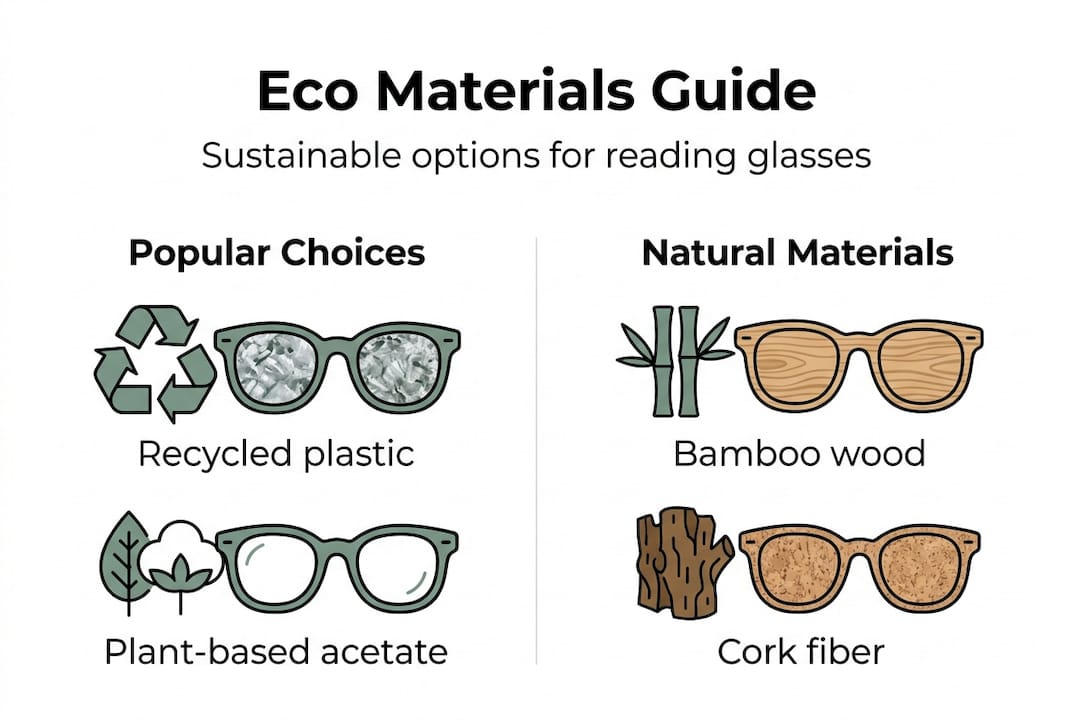
Manufacturing processes matter just as much as materials. Brands that use solar-powered factories, closed-loop water systems, or low-emission production methods have a meaningfully smaller carbon footprint than those relying on conventional manufacturing. Look for brands that publish supply chain information openly on their websites. Transparency here is a strong signal of genuine commitment. You can explore more about ethical eyewear materials to understand what responsible sourcing looks like in practice.
Here’s a quick comparison of common eco-friendly frame materials:
| Material | Key benefit | Durability | Biodegradable? |
|---|---|---|---|
| Recycled plastic | Diverts landfill waste | High | No |
| Plant-based acetate | Low chemical impact | Medium-high | Yes |
| Bamboo | Rapidly renewable | Medium | Yes |
| Sustainably harvested wood | Natural aesthetic | Medium | Yes |
When shopping, keep an eye out for these signs that frames are genuinely eco-friendly:
- Certification logos on the frame or packaging (more on these below)
- Clear material descriptions on product pages
- Minimal, recyclable, or compostable packaging
- Information about the brand’s manufacturing location and practices
- A take-back or recycling programme for old frames
For a deeper look at how material quality connects to longevity, the glasses durability guide is worth reading before you buy. Durable frames mean fewer replacements, which is itself a sustainability win.
Pro Tip: Don’t overlook the packaging. Brands that ship in recycled cardboard with soy-based inks and no plastic inserts are signalling a genuine commitment to sustainability, not just a marketing angle.
For a broader overview of sustainable eyewear materials, independent resources can help you cross-reference claims before committing to a purchase.
Balancing sustainability, style, and comfort
Once you know which materials to look for, it’s time to find frames that suit your style and feel great to wear. The good news is that eco-conscious and on-trend are no longer opposites. The sustainable eyewear market has matured significantly, and you’ll find everything from minimalist round frames in natural bamboo to bold tortoiseshell acetate styles that look anything but compromise.
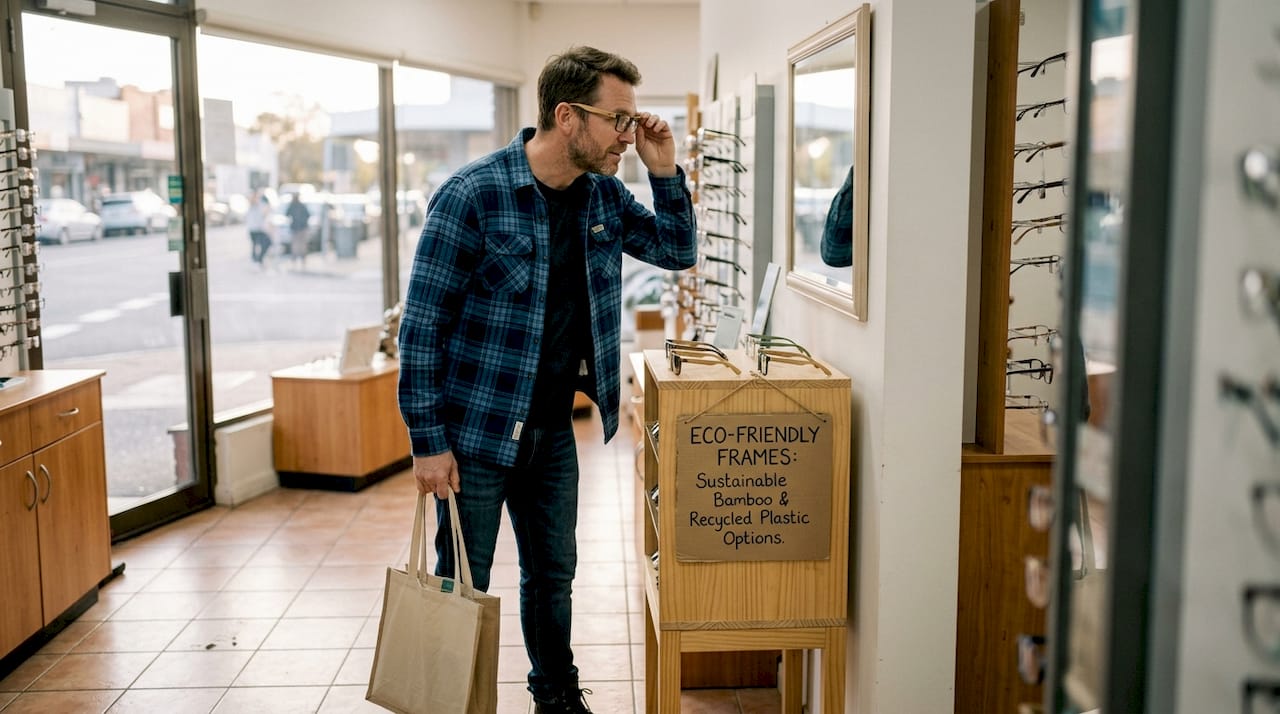
Frame shape is the first consideration. Round and oval frames in natural tones tend to suit the earthy aesthetic of bamboo or wood, while rectangular and cat-eye shapes work beautifully in plant-based acetates that mimic the richness of traditional materials. Colour matters too. Earthy greens, warm browns, and muted neutrals are popular in sustainable ranges, and you can browse green frame options to see how these translate into wearable, everyday styles.
Here’s how some popular eco-friendly styles compare:
| Style | Best material match | Ideal face shape | Aesthetic vibe |
|---|---|---|---|
| Round frames | Bamboo or wood | Oval, square | Natural, relaxed |
| Cat-eye | Plant-based acetate | Heart, round | Retro, expressive |
| Rectangle | Recycled plastic | Round, oval | Modern, minimal |
| Oval | Wood or acetate | Most face shapes | Classic, refined |
Comfort is non-negotiable, especially for reading glasses you’ll wear for extended periods. Lightweight materials like bamboo and thin acetates reduce pressure on your nose and ears. Adjustable nose pads and flexible hinges make a significant difference for all-day wear. Always check the weight of frames before purchasing, as even a few grams can affect comfort over hours of reading.
Greenwashing is a real concern in this space. Vague claims like “eco-inspired” or “nature-friendly” without any supporting detail are red flags. Look instead for specific material disclosures and third-party verification. If you’re watching your budget, affordable sustainable glasses do exist, and price alone is not an indicator of genuine sustainability.
“The most exciting shift we’re seeing is that customers no longer want to choose between looking good and doing good. Eco-friendly eyewear has finally caught up with mainstream fashion in terms of design.” — Independent eyewear designer, 2026
For broader context on where eco-friendly glasses trends are heading in 2026, fashion publications offer useful insight into what’s resonating with style-conscious consumers.
Where and how to shop for eco-friendly reading glasses in Australia
After deciding on your preferred style and fit, the next step is knowing where and how to shop responsibly in Australia. Australians have more access to sustainable eyewear brands than ever before, both online and in physical stores. The challenge is not finding options, it’s knowing which ones to trust.
When shopping online, start by reading the brand’s “About” page and sustainability section. Genuine brands will explain their materials, name their suppliers, and outline their environmental commitments in plain language. Vague mission statements with no specifics are a warning sign. Customer reviews that mention packaging, durability, and customer service are also valuable signals of a trustworthy operation.
Here’s a step-by-step approach to shopping eco reading glasses with confidence:
- Define your priorities. Decide which sustainability factors matter most to you: materials, manufacturing, packaging, or end-of-life programmes.
- Research the brand. Look for supply chain transparency, certifications, and honest product descriptions.
- Check for certifications. FSC, recycled material labels, and endorsements from recognised environmental bodies add credibility.
- Read the returns and recycling policy. Brands that offer frame recycling or take-back programmes are investing in the full lifecycle of their products.
- Compare a shortlist. Use comparison tools or blogs to weigh up two or three options before committing.
- Make the purchase. Choose a payment method with buyer protection and keep your receipt for warranty purposes.
For women navigating the Australian market specifically, women’s eco glasses trends covers the latest styles and what to prioritise when shopping sustainably. And if budget is a factor, affordable options are more plentiful than you might expect.
Pro Tip: Before buying, ask the retailer directly: “Where are these frames made, and what happens when I return them at end of life?” A brand that answers confidently and specifically is one worth supporting. A brand that deflects or gives a generic response probably hasn’t thought it through.
For broader guidance on choosing sustainable products across categories, Sustainability Victoria offers a practical framework that applies directly to eyewear purchasing decisions.
Decoding eco certifications and making your purchase with confidence
The final and perhaps most crucial step in choosing eco-friendly reading glasses is confirming the product’s sustainability claims. Certification labels help consumers identify genuine sustainable products, cutting through the noise of marketing language.
The most relevant certifications to look for in eyewear include:
- FSC (Forest Stewardship Council): Relevant for wood and bamboo frames, confirming the material was sourced from responsibly managed forests
- GRS (Global Recycled Standard): Verifies that recycled content claims are accurate and traceable
- OEKO-TEX: Confirms that materials are free from harmful chemicals during production
- B Corp certification: Applies to the company as a whole, indicating high standards across environmental and social performance
- Biodegradable product claims: Should be backed by independent testing, not just brand assertion
When examining a certification label, check that it includes a licence number or verification code. Reputable certifications allow you to verify them on the issuing organisation’s website. Labels that are vague, unbranded, or impossible to trace are often self-issued and meaningless.
Research into Australian consumer behaviour shows that a significant proportion of shoppers actively seek certified sustainable products before purchasing, and that trust in a brand increases substantially when third-party verification is present. This is worth keeping in mind when comparing two otherwise similar products.
Before finalising your purchase, run through these questions:
- Is the certification from a recognised, independent organisation?
- Does the product page specify which materials are used and in what proportion?
- Does the brand offer an aftercare or recycling programme?
- Is the warranty clearly stated, and does it reflect confidence in the product’s durability?
- Are the environmental claims specific and verifiable, not just aspirational?
For further context on environmental sustainability standards in Australia, the federal government’s resources provide a solid reference point for understanding what genuine compliance looks like. And when you’re ready to evaluate a specific pair, identifying quality reading glasses is a practical next step that covers both construction and sustainability markers.
Why making informed eco-friendly eyewear choices matters more than ever
Here’s something the mainstream sustainability conversation often misses: eyewear is not a neutral category. Globally, hundreds of millions of pairs of glasses are produced each year, and the vast majority end up in landfill. Fast fashion has trained consumers to treat accessories as disposable, and reading glasses have not been immune to that pattern.
But there’s a meaningful shift happening. Australians are increasingly treating their purchasing decisions as votes for the kind of industry they want to support. Choosing ethical eyewear choices is not just about reducing your personal footprint. It sends a market signal that transparency, quality, and environmental responsibility are non-negotiable expectations.
At Ministry of Sight, we believe that true style is inseparable from social and environmental awareness. A beautifully designed pair of reading glasses that was made responsibly, lasts for years, and can be recycled at end of life is not a compromise. It’s the standard. The more Australians demand this, the faster the entire industry moves in the right direction. That’s a shift worth being part of.
Shop sustainable reading glasses and accessories with confidence
Ready to put your new knowledge into action? At Ministry of Sight, we make it straightforward for Australians to find reading glasses that are both stylish and responsibly made. Our range is built around quality, transparency, and genuine value, so you’re never left guessing about what you’re buying.
Explore our full range of reading glasses accessories to complete your look with sustainable style. Want to understand more about our approach to eyewear? Visit our about our sustainable glasses page for the full story behind the brand. Free shipping across Australia and a satisfaction guarantee mean you can shop with complete confidence.
Frequently asked questions
Which materials are considered most sustainable for reading glasses?
Recycled plastics and plant-based acetates are among the most popular eco-friendly options, alongside bamboo and sustainably harvested wood, all of which minimise environmental impact across the product lifecycle.
How can I tell if a reading glasses brand is genuinely eco-friendly?
Look for specific material disclosures, supply chain transparency, and certification labels from recognised independent organisations, not just vague marketing language.
Are eco-friendly reading glasses more expensive?
Not necessarily. While some premium sustainable frames carry a higher price, affordable sustainable options are widely available in the Australian market without sacrificing quality or ethics.
What certifications should I look for when buying eco-friendly reading glasses?
Prioritise certifications like FSC for wood-based frames, GRS for recycled materials, and OEKO-TEX for chemical safety. Certification labels from reputable organisations can be verified online using a licence number, which is the clearest sign of authenticity.
Recommended
- Stylish reading glasses checklist for perfect fit – MINISTRY OF SIGHT
- Choosing reading glasses for work: comfort and style tips – MINISTRY OF SIGHT
- Stylish, functional reading glasses for your lifestyle – MINISTRY OF SIGHT
- Understanding Fashionable Reading Glasses Guide for Style – MINISTRY OF SIGHT
- Explore Sustainable Fashion in the UK - Ethical Wardrobe Choices


