

TL;DR:
- Australian eyewear brands now offer bold, durable frames made from recycled plastics, bio-acetate, and plant-based materials, combining style with environmental responsibility. Consumers can evaluate products based on materials, repairability, and supply chain transparency while choosing sustainable lenses like mineral glass with UV protection. The market’s shift towards transparency and innovation makes eco-friendly glasses more accessible, affordable, and fashionable than ever before.
Forget the outdated notion that choosing sustainable glasses means settling for drab frames and foggy lenses. Australian eyewear has undergone a genuine transformation, and today’s eco-conscious shopper can find frames that are bold, refined, and built to last, all while treading more lightly on the planet. The local market is thriving with brands that prove environmental responsibility and exceptional design are not just compatible but inseparable. This guide walks you through materials, top Australian makers, smart shopping strategies, and everything you need to make a truly informed choice.
Table of Contents
- What makes glasses eco-friendly?
- Top Australian brands leading the eco eyewear movement
- How to choose sustainable frames and lenses
- Tips for shopping eco-friendly glasses online in Australia
- Why sustainable eyewear is becoming mainstream in Australia
- Find your perfect pair — sustainably stylish
- Frequently asked questions
Key Takeaways
| Point | Details |
|---|---|
| Materials matter most | Choose frames and lenses made from recycled, plant-based, or mineral materials for the greatest sustainability impact. |
| Australian brands excel | Some of the best sustainable eyewear options are designed and made right here in Australia. |
| Performance meets ethics | Eco-friendly glasses now deliver top style, comfort, and durability—no compromise on looks or function. |
| Buy smart, buy local | Shopping with ethical, homegrown brands reduces your carbon footprint and supports the green eyewear movement. |
What makes glasses eco-friendly?
Not every pair of glasses labelled “sustainable” earns that title honestly. Genuine eco-friendly eyewear is defined by a combination of materials, manufacturing methods, supply chain transparency, and end-of-life considerations. Understanding these factors helps you cut through the greenwashing and find frames that actually reduce environmental harm.
The foundation starts with materials. The most credible eco-friendly frames use one or more of the following:
- Recycled plastics, including post-consumer PET bottles melted and reformed into durable frame material
- Bio-acetate, derived from plant-based cellulose rather than petroleum, which biodegrades far faster than conventional acetate
- Plant-based cellulose acetate, made from sustainably sourced cotton fibres or wood pulp
- Reclaimed timber, sourced from offcuts or sustainably managed forests
- Castor oil-based materials, such as Grilamid, which replace fossil-fuel inputs with a renewable crop
On the lens side, the choices matter just as much as the frame. Mineral glass lenses are endlessly recyclable, scratch-resistant, and distortion-free, making them a strong choice from both a performance and sustainability standpoint. Innovative options like CR Labs ECO7 use a renewable resin that delivers high-index, thin, and lightweight results without relying on conventional petrochemical inputs.
Manufacturing ethics and repairability round out the picture. Brands with smaller batch production, local or regional manufacturing, and modular designs that allow individual parts to be replaced rather than binning the whole frame score significantly higher on genuine sustainability.
“The most sustainable product is the one you keep longest. A repairable pair of glasses made from recycled plastic will always outperform a ‘biodegradable’ pair thrown in landfill after two years.”
You can find a thorough breakdown of what these choices mean in practice in our eco-friendly glasses guide, which covers materials in greater depth.
Pro Tip: Look for brands that publish their supply chain details and material sourcing openly. Vague claims like “eco-conscious” with no specifics are a signal to dig deeper before you buy.
Top Australian brands leading the eco eyewear movement
Australia has quietly become a hotspot for genuinely innovative sustainable eyewear. Several homegrown brands are not only setting the pace locally but influencing the global conversation around responsible production. Here’s who’s worth knowing.
According to top recycled sunglasses brands in Australia, these seven makers stand out across the country:
- Good Citizens (Sydney, NSW): Frames made from 100% recycled PET, modular design for full repairability, and a strong local manufacturing ethos
- OTIS Eyewear (Western Australia): Uses Eco-Acetate and Grilamid frames paired with mineral glass lenses for a premium, low-impact product
- Ozeano (NSW): Bio-acetate frames that biodegrade in just 115 days under the right conditions, a remarkable figure compared to conventional plastics
- Szade (Melbourne, VIC): Specialises in recycled polycarbonate frames, offering durability alongside a reduced footprint
- Soek (NSW): Works with recycled plastic, timber, and castor-based materials across their range
- Shade Eyewear (Gold Coast, QLD): Plant-based cellulose acetate with a focus on vibrant, fashion-forward design
- Reality Eyewear (Western Australia): Uses recycled polyester and cellulose, with strong credentials in transparency
Here’s a quick comparison to make your decision easier:
| Brand | Key material | Repairability | Location |
|---|---|---|---|
| Good Citizens | Recycled PET | Modular, fully repairable | Sydney, NSW |
| OTIS Eyewear | Eco-Acetate, Grilamid | Moderate | WA |
| Ozeano | Bio-acetate | Standard | NSW |
| Szade | Recycled polycarbonate | Standard | Melbourne, VIC |
| Soek | Recycled plastic, timber, castor | Moderate | NSW |
| Shade Eyewear | Plant-based cellulose acetate | Standard | Gold Coast, QLD |
| Reality Eyewear | Recycled polyester, cellulose | Standard | WA |
What’s striking about this list is the geographic spread. Sustainable eyewear isn’t concentrated in a single city or subculture. From the Gold Coast to Western Australia, the movement is genuinely national. And the styles are anything but boring. If you want proof, our roundup of stylish Australian eyewear shows how varied and contemporary these designs have become.
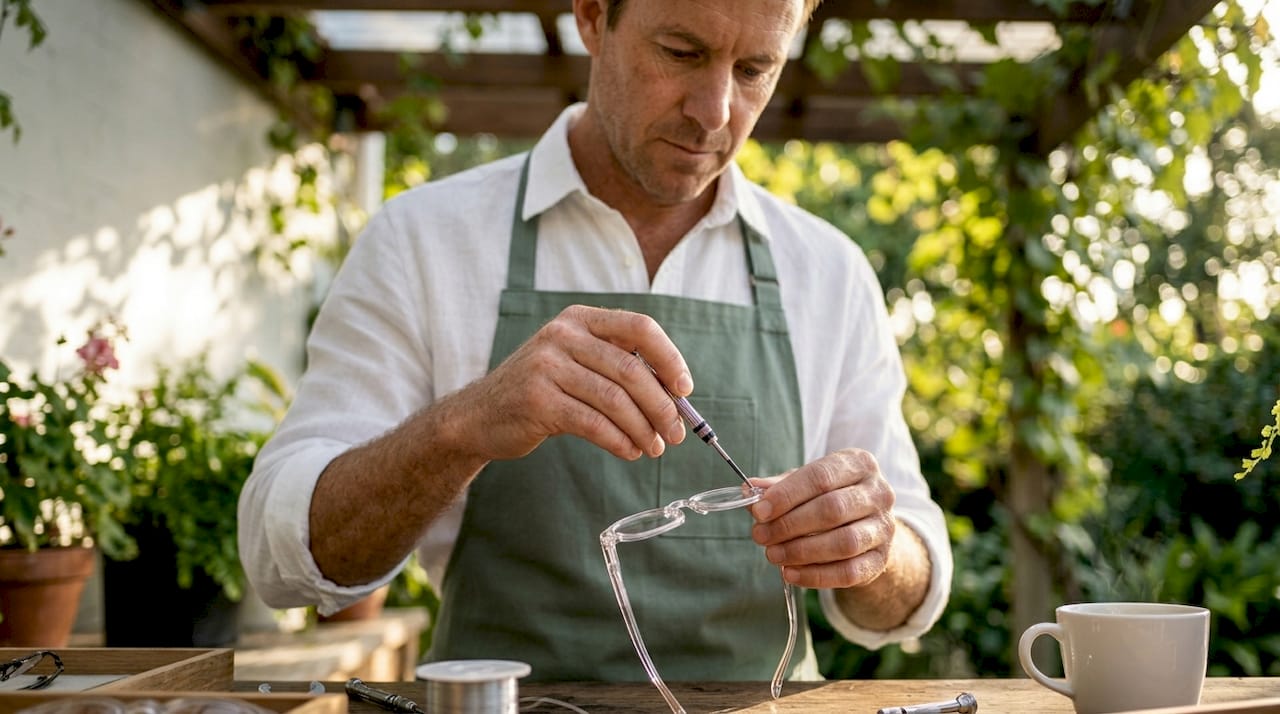
Several of these brands have also started offering take-back or recycling programmes, where you can return worn frames for responsible disposal or refurbishment. That kind of circular thinking separates genuine leaders from brands simply using sustainability as a marketing angle.
How to choose sustainable frames and lenses
Knowing which brands exist is one thing. Knowing how to evaluate their products is another. Here’s a step-by-step approach that will help you compare options with genuine confidence.
1. Identify your priority material. Recycled plastics like PET and polycarbonate are durable and keep waste out of landfill, but they’re not biodegradable. Bio-acetate breaks down naturally but may require more careful handling. Timber frames are beautiful but can warp in humidity. Know which trade-off matters most to you.
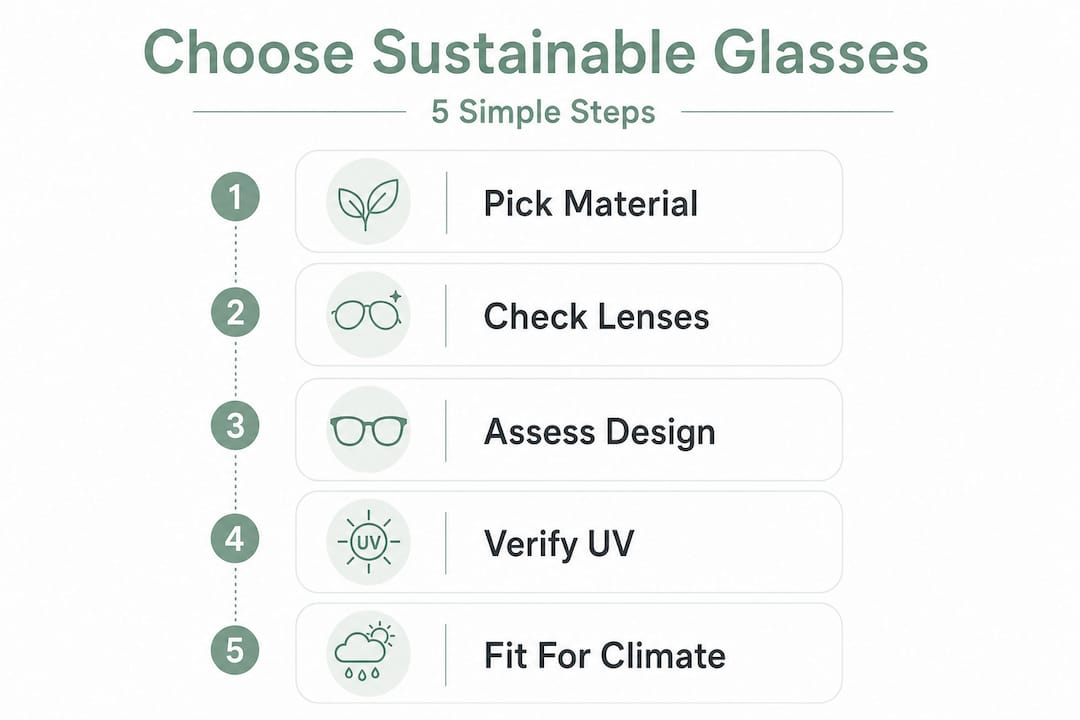
2. Assess the lens separately. Many buyers focus entirely on the frame and overlook the lens, which can carry its own environmental burden. Mineral glass remains the gold standard for recyclability and longevity. Eco-resin options like CR Labs ECO7 offer a lighter, thinner alternative for those needing strong prescriptions. Plastic lenses, even thin ones, typically end up in landfill.
3. Check for modular or repairable design. A frame that lets you replace hinges, temples, or nose pads extends the usable life dramatically. Good Citizens’ modular approach means you don’t discard the whole frame because one part fails.
4. Verify UV protection. Sustainable credentials should never come at the cost of eye health. Both mineral glass and quality eco-resin lenses can provide full UV400 protection. Always confirm the UV rating, particularly for sun readers and sunglasses.
5. Consider the Australian climate. Our sun is intense, and humidity in coastal regions can stress certain materials. Check our guide on glasses for the Australian climate for material performance advice specific to local conditions.
Here’s how the main frame materials compare for everyday practical use:
| Material | Durability | Biodegradable | Weight | Best for |
|---|---|---|---|---|
| Recycled PET | High | No | Light | Active use, sport |
| Bio-acetate | Moderate | Yes (115 days) | Medium | Fashion, everyday |
| Timber | Moderate | Yes | Medium | Casual, unique style |
| Plant-based acetate | High | Partial | Medium | Premium, fashion |
| Recycled polycarbonate | Very high | No | Very light | Sport, outdoors |
Pro Tip: When shopping for prescription lenses, ask your optometrist specifically about mineral glass options. Many labs still default to plastic unless you request otherwise. For helpful guidance on making ethical eyewear choices, it’s worth reviewing what’s available at each prescription level.
Tips for shopping eco-friendly glasses online in Australia
Online shopping for sustainable eyewear can be incredibly rewarding, but it requires a more discerning eye than browsing a physical store. Here’s how to shop smarter and avoid the pitfalls.
-
Scrutinise the materials page. Reputable eco brands will dedicate a section of their website to explaining exactly what their frames are made from, where those materials originate, and how the production process minimises waste. If that information is absent or vague, treat it as a warning sign.
-
Use virtual try-on tools. Many Australian online eyewear retailers now offer augmented reality tools that let you see how frames look on your actual face before purchasing. These tools dramatically reduce the need for returns, which cuts emissions and packaging waste.
-
Check the packaging. A brand serious about sustainability will ship in recycled or compostable packaging, not single-use plastic-wrapped boxes. Look for this detail in customer reviews if it isn’t stated on the website.
-
Look for repair and warranty programmes. Brands like Good Citizens and OTIS Eyewear back their products with repair options. A five-year warranty says far more about a product’s true sustainability than a marketing tagline.
-
Prioritise Australian-made or Australian-stocked brands. Choosing a local brand significantly reduces the transport emissions associated with your purchase. Brands like top recycled sunglasses brands in Australia are already stocked and shipped domestically, meaning your carbon footprint per pair is noticeably lower.
-
Plan for end-of-life. Ask the brand what happens to your frames when they’re worn out. Some offer take-back schemes. Others partner with recycling organisations. This is increasingly a differentiator between good and great eco brands.
Pro Tip: Before buying online, cross-reference the brand’s sustainability claims with independent reviews or third-party certifications. Certifications like B Corp, FSC (for timber), or GRS (Global Recycled Standard) are internationally recognised and hard to fake.
For a broader overview of how to navigate the process of buying eyewear online and accessing smart online glasses buying tips, those resources cover everything from prescription verification to returns policies in detail.
Why sustainable eyewear is becoming mainstream in Australia
Here’s the perspective most industry articles miss: sustainable eyewear isn’t a niche carve-out for environmentally anxious consumers anymore. It’s becoming the default for anyone who pays attention to quality and value.
Consider why this is happening. A decade ago, recycled frames were often stiff, limited in colour, and poorly finished. Bio-acetate was brittle and expensive. The eco option was frequently a compromise, and consumers knew it. Today, the technology has caught up so thoroughly that a Good Citizens frame made from recycled PET is mechanically superior to many conventional acetate alternatives. Ozeano’s bio-acetate doesn’t just biodegrade faster. It looks and feels as refined as any high-end imported frame.
The other shift is economic. As supply chains for recycled materials mature and demand scales up, the price premium on sustainable eyewear has shrunk. You no longer pay significantly more to make a responsible choice. In many cases, particularly when you factor in repairability and longevity, a well-made eco frame costs less over its lifetime than a cheap conventional alternative you replace every year.
There’s also a growing cultural dimension. Australians have a strong relationship with the natural environment, and that shapes purchasing decisions in ways that are unique to this market. The success of brands like Szade and OTIS isn’t just about product quality. It’s about alignment. Buyers feel that their purchase reflects who they are and what they value.
What we find most encouraging, though, is the transparency revolution. Brands are now competing on how openly they share supply chain information, material sourcing, and carbon data. That level of accountability benefits every buyer and raises the floor for the entire industry. The era of vague “eco-friendly” claims is ending, replaced by a culture of specificity and proof.
If you’re looking for stylish, affordable frames that reflect this new standard, the options available to Australian consumers in 2026 are genuinely the best they’ve ever been.
Find your perfect pair — sustainably stylish
Making the switch to sustainable eyewear is easier than you might think, and the results speak for themselves.
At Ministry of Sight, we’ve curated accessories and readers that suit the eco-conscious Australian lifestyle without asking you to compromise on how good you look. Our glasses accessories range includes chains, cases, and care products that extend the life of your frames and complement your style. For those who want sun protection built in, the Lumière Sun Readers combine UV protection with fashionable design. Want to understand how our reading glasses fit into a thoughtful, sustainable lifestyle? Visit our reading glasses overview and see what sets our approach apart. Ethical choices have never looked this good.
Frequently asked questions
What materials are best for eco-friendly glasses frames?
Recycled plastics, bio-acetate, and plant-based materials lead eco-friendly frame choices, with standout examples like Good Citizens using 100% recycled PET and Ozeano using bio-acetate that biodegrades in 115 days.
Are mineral glass lenses more sustainable than plastic lenses?
Yes, mineral glass lenses are endlessly recyclable, highly durable, and distortion-free, while eco-resin alternatives like CR Labs ECO7 also offer a renewable, lightweight choice for thinner prescriptions.
Which Australian brands make the most sustainable eyewear?
Good Citizens, OTIS Eyewear, Ozeano, Szade, Soek, Shade Eyewear, and Reality Eyewear are the leading sustainable brands operating across Australia with strong environmental credentials.
How do I check if glasses are truly sustainable before buying?
Look for certifications such as B Corp, GRS, or FSC, alongside detailed and transparent sourcing information, use of verified recycled or plant-based materials, and established repair or take-back programmes from the brand.
Can sustainable lenses also offer UV protection?
Absolutely. Modern sustainable lenses including mineral glass and eco-resin options can be manufactured with full UV400 protection, so there’s no need to trade eye safety for environmental responsibility.


