
Over 60% of digital device users report symptoms of eye strain with prolonged screen use. For Australian office workers and remote employees spending hours in front of computers, this translates to daily headaches, dry eyes, and disrupted sleep patterns. Blue light blocking glasses offer a practical solution, combining effective symptom relief with professional style to help you work comfortably while protecting your long-term eye health.
Table of Contents
- How Blue Light Affects Eyes And Sleep
- Scientific Evidence For Blue Light Blocking Glasses
- Common Misconceptions About Blue Light
- Types And Styles Of Blue Light Glasses For Office And Remote Work
- How To Choose Effective Blue Light Blocking Glasses
- Health Benefits Of Wearing Blue Light Glasses During Computer Use
- Discover Stylish Blue Light Glasses At Ministry Of Sight
- Frequently Asked Questions
Key Takeaways
| Point | Details |
|---|---|
| Blue light impacts strain and sleep | Wavelengths from screens stress focusing muscles and suppress nighttime melatonin production. |
| Certified glasses reduce symptoms | Research shows 30% to 50% reduction in dryness, irritation, and fatigue with proper eyewear. |
| Amber lenses filter more strongly | Block up to 90% of blue light but may distort color perception for detailed work. |
| Clear lenses balance protection | Filter 30% to 50% blue light while maintaining accurate color for daytime computer tasks. |
| Frame comfort matters | Lightweight, ergonomic designs increase adoption and reduce physical fatigue during extended wear. |
How Blue Light Affects Eyes and Sleep
Blue light occupies the 400 to 500 nm wavelength spectrum, sitting at the high energy end of visible light. When you stare at computer screens for hours, this concentrated blue light forces your eye muscles to work harder maintaining focus. Unlike printed text, digital displays emit light directly into your eyes rather than reflecting it, intensifying the strain on your focusing mechanisms.
This constant exposure creates a cascade of eye strain from computers symptoms you probably recognize:
- Dry, irritated eyes that feel gritty or burning
- Blurred vision that worsens as the workday progresses
- Headaches concentrated around the temples or forehead
- Neck and shoulder tension from squinting or leaning closer to screens
The sleep disruption angle matters just as much for your overall wellbeing. Blue light exposure in the evening suppresses melatonin, the hormone that signals your body to prepare for sleep. Research on digital eye strain causes confirms that even two to three hours of screen time before bed can delay sleep onset by up to 90 minutes. Your circadian rhythm gets thrown off, leading to poor sleep quality and next day fatigue that compounds your eye strain symptoms.
Understanding these biological impacts explains why protective eyewear has become essential for modern workers. When your eyes constantly battle high energy light while trying to maintain sharp focus on pixels, intervention becomes necessary to preserve comfort and function.
Scientific Evidence for Blue Light Blocking Glasses
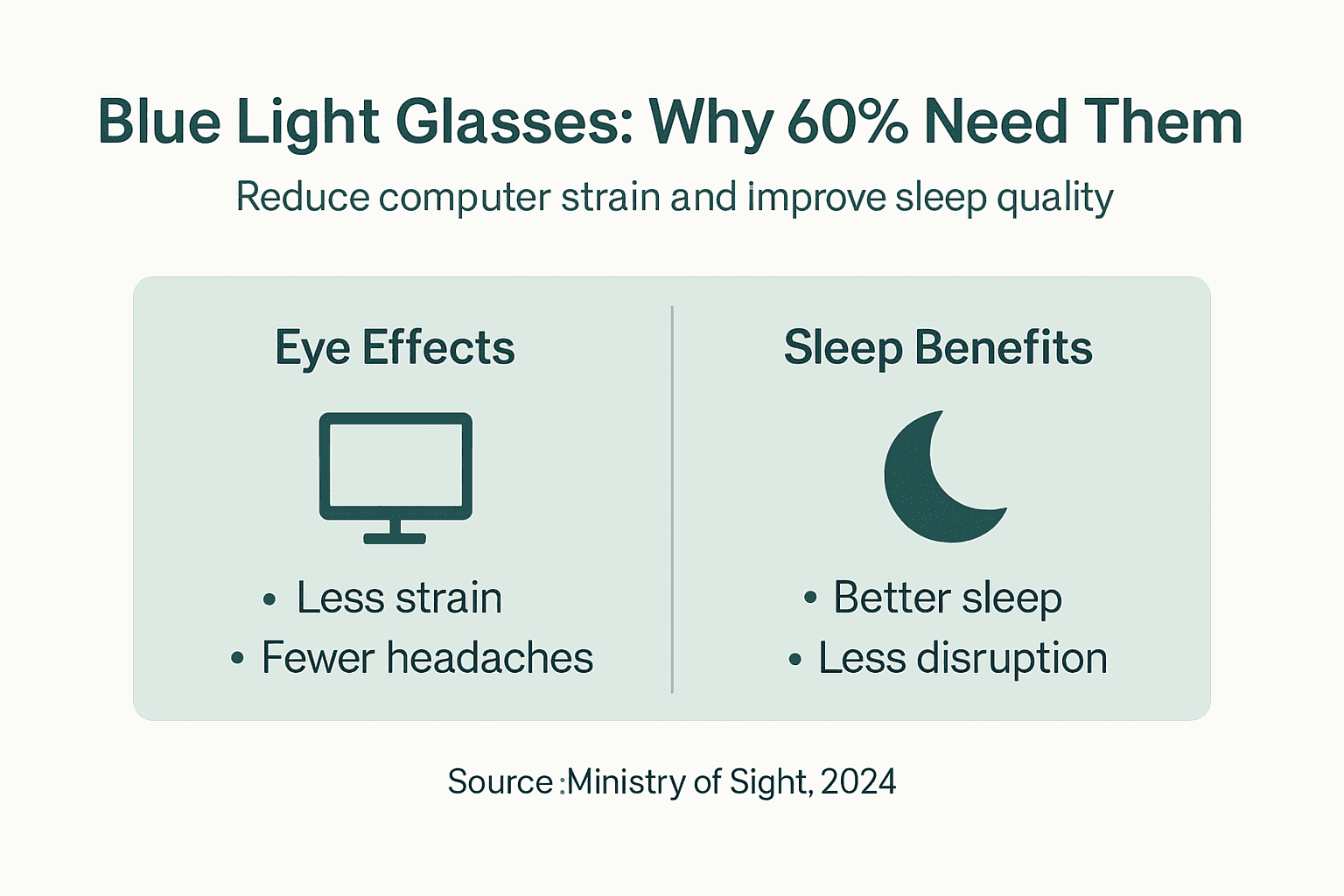
The good news? Research validates what many workers instinctively feel they need. Studies on effectiveness demonstrate that verified blue light blocking glasses reduce eye strain symptoms by 30% to 50% when worn consistently during computer work. This isn’t marginal relief. Users report meaningful improvements in:
- Reduced dryness and irritation throughout the workday
- Fewer headaches, particularly during afternoon and evening hours
- Less blurred vision and easier screen focus
- Decreased need for artificial tears or eye drops
The lens tint you choose dramatically affects both protection level and your visual experience. Amber or orange tinted lenses block up to 90% of blue light wavelengths, providing maximum filtering power. However, this strong protection comes with a tradeoff. The warm tint shifts color perception, making whites appear yellowish and potentially affecting tasks requiring accurate color judgment like graphic design or photo editing.
Clear or lightly tinted lenses offer a middle ground that works well for glasses for eye strain during daytime computer use. These filter 30% to 50% of blue light while maintaining natural color accuracy. You get meaningful protection without the visual distortion that might interfere with professional work.
Research confirms blue light blocking eyewear improves melatonin regulation when worn in evening hours, reducing sleep latency by an average of 20 to 30 minutes compared to unprotected screen exposure.
The sleep benefits extend beyond just falling asleep faster. Participants wearing computer eye strain glasses during evening screen time showed improved sleep architecture, spending more time in restorative deep sleep phases. This matters because quality sleep directly impacts next day cognitive function, mood regulation, and yes, your eyes’ ability to handle another day of screen work.
Common Misconceptions about Blue Light
Before you make purchasing decisions, clearing up widespread myths helps set realistic expectations. Not all blue light deserves the villain reputation it has earned. During daylight hours, natural blue light from the sun plays an essential role in regulating your circadian rhythm, boosting alertness, and enhancing cognitive performance. Research on blue light’s dual role shows daytime blue light exposure improves focus and reaction times by 20% to 30% compared to dimmer, warmer lighting.
The problem emerges specifically from excessive evening and nighttime exposure when your body should be winding down. Context and timing matter more than the light itself.
Here are critical misconceptions to avoid:
- Anti-reflective coatings equal blue light blocking: Standard anti-reflective treatments reduce glare and reflections but do not filter blue light wavelengths. You need specific blue light filtering technology in the lens material or coating.
- Blue light glasses eliminate all eye strain: While they significantly reduce symptoms, glasses work best as part of comprehensive eye care including the 20/20/20 rule, proper lighting, and regular breaks.
- All blue light is harmful: Daytime exposure supports healthy circadian function and alertness. Evening exposure causes the sleep disruption problems.
- Stronger filtering is always better: Maximum blue light blocking with amber lenses suits evening use, but may hinder color-critical daytime work where clear lenses perform better.
Understanding these nuances helps you use blue light glasses appropriately rather than expecting them to solve every vision complaint. They address a specific problem (digital blue light overexposure) effectively when combined with good screen habits and ergonomics.
Types and Styles of Blue Light Glasses for Office and Remote Work
Choosing the right combination of lens technology and frame design ensures you actually wear your glasses consistently. Effectiveness means nothing if the glasses sit unused in a desk drawer because they look clunky or feel uncomfortable.
| Lens Type | Blue Light Blocked | Color Accuracy | Best For |
|---|---|---|---|
| Clear/Light tint | 30% to 50% | Excellent | Daytime computer work, video calls, color-sensitive tasks |
| Amber/Orange tint | 70% to 90% | Moderate distortion | Evening screen time, gaming, pre-sleep device use |
| Yellow tint | 50% to 70% | Good | Mixed use, general office work |
For professional environments, clear lens options dominate because they maintain natural appearance during video conferences while providing sufficient daytime protection. Studies on lens preferences show office workers overwhelmingly choose clear lenses for workday wear, reserving amber tints for evening home use if needed.
Frame selection impacts both comfort and professional image:
- Lightweight acetate or metal frames: Reduce pressure on nose and ears during 8+ hour wear periods
- Minimalist rectangular or round shapes: Project professional appearance suitable for client meetings and video calls
- Adjustable nose pads: Allow custom fitting to prevent sliding and pressure points
- Spring hinges: Provide flexibility and durability for daily on/off cycles
Many workers find success with computer glasses that incorporate blue light filtering into their existing prescription or as plano (non-prescription) options. This approach eliminates the hassle of switching between regular glasses and protective eyewear throughout the day.
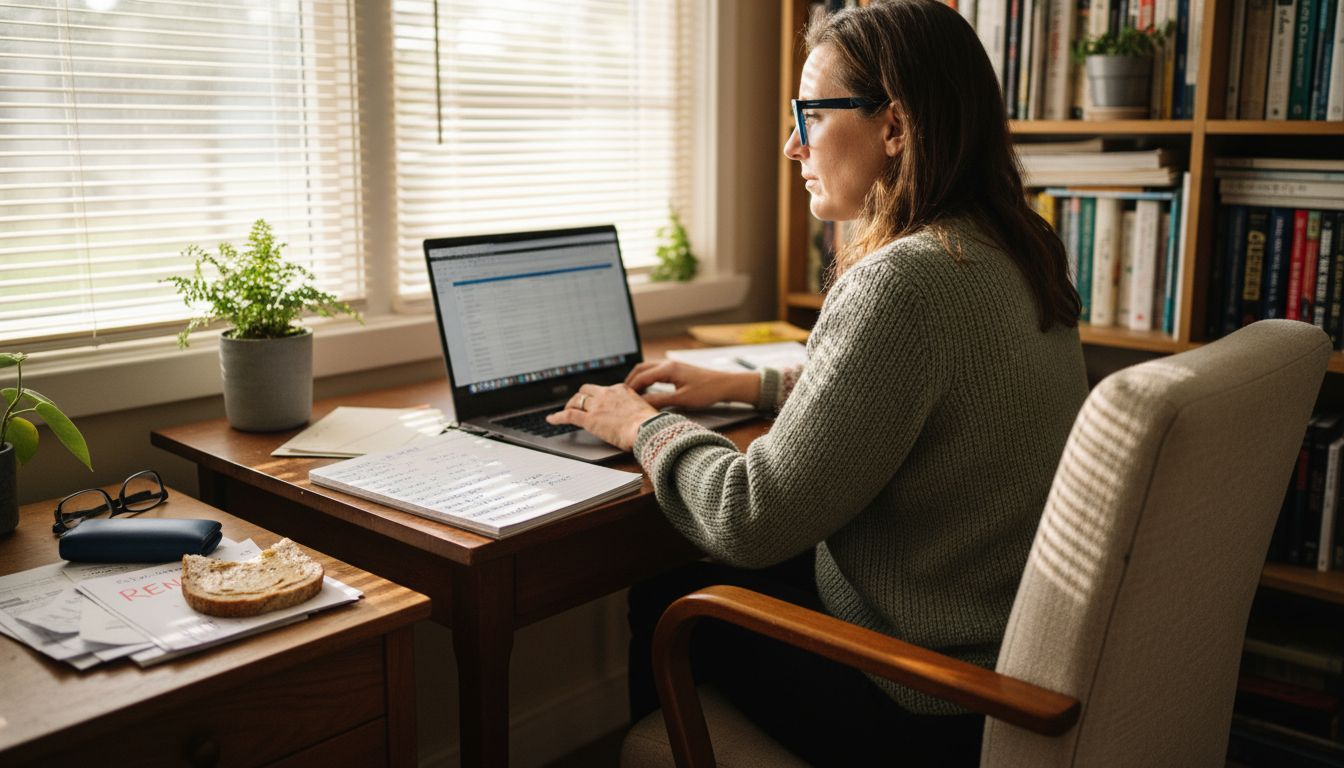
Pro tip: Select frames with slightly wider temples and balanced weight distribution. After six hours of wear, even small pressure points become distracting. Trying frames for at least 30 minutes in the store helps identify comfort issues before committing.
Additional features worth considering include anti-reflective coatings (which reduce glare separately from blue light filtering) and scratch-resistant treatments that protect your investment. Some manufacturers combine multiple technologies into single lens systems, though verifying the blue light filtering certification matters more than marketing claims.
For those exploring options, understanding what glasses are good for computer use helps narrow choices based on your specific work demands. Graphic designers need different solutions than data analysts or customer service representatives. And if you already use reading glasses for computer work, adding blue light filtering to your prescription creates an all-in-one solution.
How to Choose Effective Blue Light Blocking Glasses
Navigating marketing claims and technical specifications becomes simpler when you follow a systematic selection process. Start with these priority criteria:
- Verify blue light filtering certification: Look for specific wavelength blocking data showing filtration in the 400 to 500 nm range. Vague claims about “blue light protection” without numbers mean little.
- Match lens tint to primary use: Clear for daytime office work and video calls, amber for evening screen time at home.
- Prioritize fit and comfort: Glasses you find uncomfortable won’t get worn consistently enough to provide benefits.
- Consider prescription needs: If you already wear corrective lenses, combining blue light filtering with your prescription eliminates juggling multiple pairs.
- Assess frame durability: Daily wear demands quality construction with reinforced hinges and scratch-resistant lenses.
For Australian workers, choosing reading glasses principles apply equally to blue light blocking eyewear. The right pair balances protection, comfort, professional appearance, and durability.
Pro tip: Many optometrists and eyewear retailers offer trial periods or return policies. Use them. Wearing glasses for a full workday reveals comfort issues and visual quality that brief store trials miss.
Timing your eyewear use strategically maximizes benefits. Wear blue light glasses during your longest continuous screen sessions, typically morning through late afternoon for office workers. If you continue screen use into evening hours, consider switching to higher filtration amber lenses two to three hours before intended sleep time to protect melatonin production.
Don’t overlook style alignment with your professional image. The role of fashion in eyewear extends beyond aesthetics to confidence and consistent use. Glasses that complement your face shape and professional wardrobe get worn more reliably than technically superior options that feel awkward or unflattering.
Health Benefits of Wearing Blue Light Glasses During Computer Use
Real world results from consistent blue light glasses use confirm the research findings. Workers report substantial improvements across multiple eye health and comfort measures:
- Headache reduction: Users experience 40% to 60% fewer tension headaches related to screen work
- Decreased eye dryness: Reduced squinting and eye strain allows normal blink rates to resume
- Improved visual clarity: Less fatigue means sharper focus maintained throughout the workday
- Better sleep onset: Evening protection helps users fall asleep 20 to 30 minutes faster
- Reduced reliance on eye drops: Natural tear production normalizes when strain decreases
The documented health benefits extend beyond immediate symptom relief to potential long-term eye health preservation. While research continues on cumulative blue light exposure effects, reducing unnecessary strain follows sound preventive health principles.
“Patients wearing certified blue light filtering lenses during computer work reported significant improvements in end-of-day eye comfort scores, with 68% describing their symptoms as ‘much improved’ or ‘very much improved’ after four weeks of consistent use.”
Sleep quality improvements create cascading benefits. Better rest enhances next day cognitive function, mood stability, and stress resilience. Your eyes start each workday more refreshed and capable of handling screen demands. This positive cycle reinforces the value of protective eyewear as a foundational workplace wellness tool.
For remote workers especially, the boundaries between work hours and evening leisure blur. Wearing blue light glasses creates a tangible intervention that protects your eyes without requiring you to drastically reduce screen time when job demands make that unrealistic.
Discover Stylish Blue Light Glasses at Ministry of Sight
Australian workers seeking effective protection combined with contemporary style find solutions at Ministry of Sight. The curated eyewear collection emphasizes both function and fashion, ensuring your eye protection complements rather than compromises your professional image.
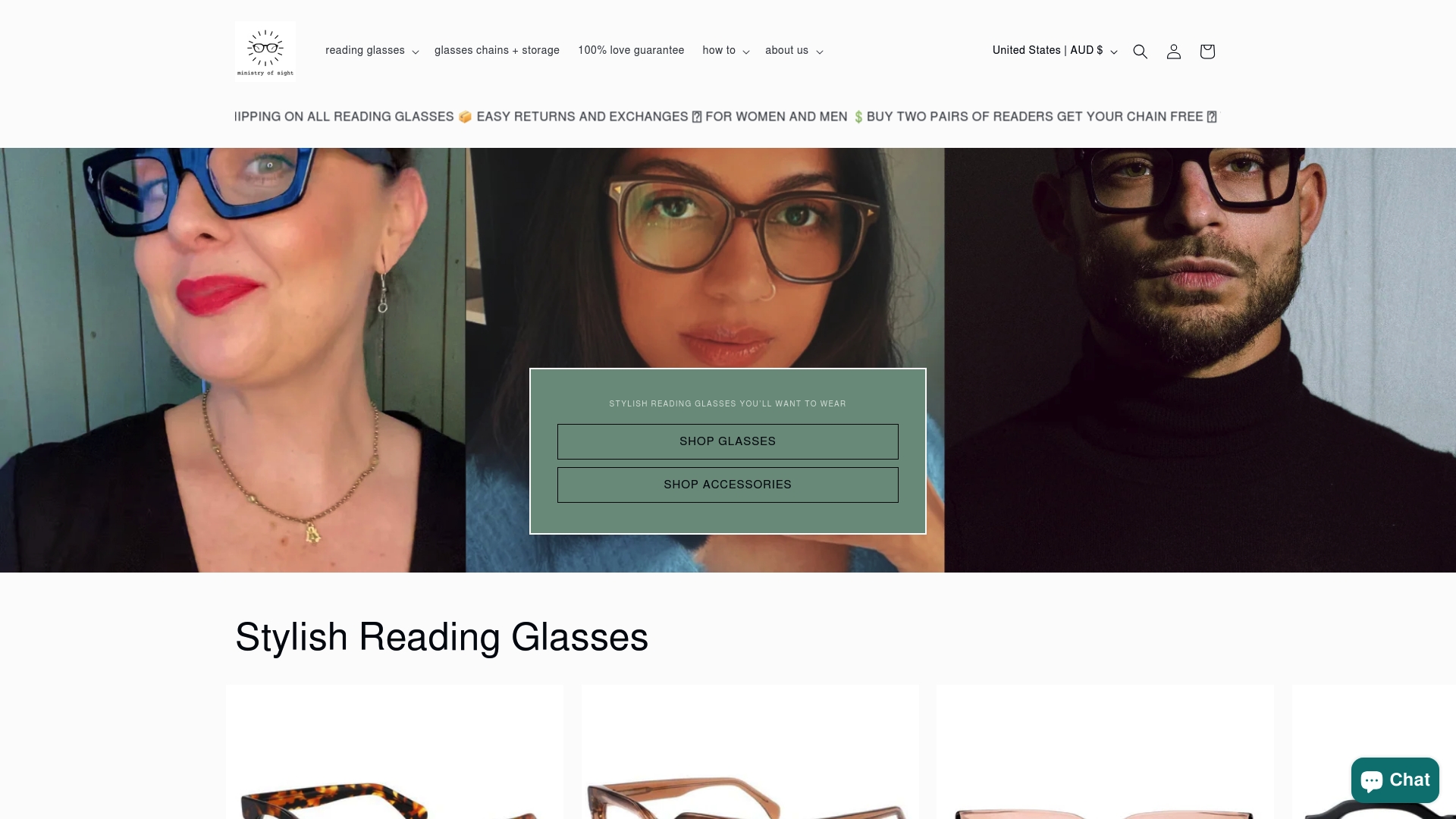
Explore frames designed for extended computer use with lightweight construction and ergonomic features. The selection spans classic minimalist styles to bold statement pieces, letting you express personal taste while safeguarding eye comfort. Expert guides help you understand fashion in eyewear choices and navigate eyewear styles suited to Australian workplace environments. Whether you need prescription lenses or plano options, the range of computer glasses addresses diverse needs with verified blue light filtering technology.
Frequently Asked Questions
Which blue light blocking glasses lens color is best for daytime computer use?
Clear or very lightly tinted lenses work best for daytime office work because they filter 30% to 50% of blue light while maintaining accurate color perception. This balance protects your eyes without interfering with tasks requiring precise color judgment or professional video calls.
Can blue light blocking glasses completely prevent eye strain?
Blue light glasses significantly reduce symptoms but cannot eliminate eye strain entirely. They work best combined with proper ergonomics, regular screen breaks using the 20/20/20 rule, appropriate lighting, and routine eye examinations to address any underlying vision issues.
How do blue light glasses improve sleep quality?
By filtering blue light wavelengths during evening screen use, these glasses reduce melatonin suppression that normally delays sleep onset. Research shows users fall asleep 20 to 30 minutes faster and experience improved sleep architecture when wearing protective eyewear two to three hours before bedtime.
Are anti-reflective coatings the same as blue light blocking?
No, anti-reflective coatings reduce glare and surface reflections but do not filter blue light wavelengths. While both technologies benefit computer users, you need specific blue light filtering in the lens material or specialized coating to block the problematic 400 to 500 nm wavelengths that cause eye strain and sleep disruption.
Recommended
- What Glasses Help with Computer Eye Strain – MINISTRY OF SIGHT
- What Glasses Are Good for Computer Use: Blue Light, Comfort, and Style – MINISTRY OF SIGHT
- Eye Strain from Computers – Solutions for Aussies – MINISTRY OF SIGHT
- What Glasses Help With Eye Strain – Solutions for Aussies – MINISTRY OF SIGHT
- Fördelar med ergonomiska kontorsstolar: 48% mindre ryggsmärta